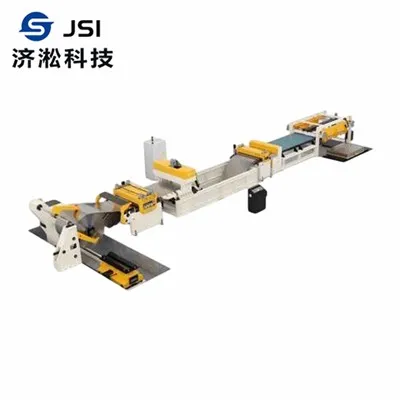
As a supplier of NC Feeder Machines, I often encounter inquiries regarding the feeding thickness range of these machines. Understanding this parameter is crucial for customers as it directly impacts the machine's applicability to different materials and industries. In this blog, I'll delve into the feeding thickness range of NC Feeder Machines, explaining its significance and how it varies across different models.


Significance of Feeding Thickness Range
The feeding thickness range of an NC Feeder Machine determines the minimum and maximum thickness of the material that the machine can handle. This specification is essential because different manufacturing processes require materials of varying thicknesses. For instance, in the automotive industry, thin sheets might be used for interior components, while thicker materials are employed for structural parts. By offering a wide feeding thickness range, an NC Feeder Machine can cater to a broader spectrum of applications, making it a versatile and valuable asset in a manufacturing setup.
Factors Affecting the Feeding Thickness Range
Several factors influence the feeding thickness range of an NC Feeder Machine. One of the primary factors is the design and construction of the feeder mechanism. Machines with robust and adjustable feeding systems can typically accommodate a wider range of material thicknesses. The power and torque of the drive system also play a crucial role. A more powerful drive can handle thicker and heavier materials, allowing for a greater maximum feeding thickness.
Another factor is the type of material being fed. Different materials have different physical properties, such as hardness, flexibility, and surface friction. These properties can affect how easily the material can be fed through the machine. For example, a machine that can handle thin, flexible materials like aluminum foil might struggle with thick, rigid materials like steel plates. Therefore, when determining the feeding thickness range, it's important to consider the specific materials that will be used with the machine.
Common Feeding Thickness Ranges
NC Feeder Machines come in various models, each with its own feeding thickness range. Here are some common ranges found in different types of NC Feeder Machines:
- Light Sheet NC Feeder Machines: These machines are designed for handling thin materials, typically in the range of 0.1mm to 3mm. They are commonly used in industries such as electronics, where thin sheets of copper, aluminum, or plastic are required for circuit board manufacturing and other applications.
- Medium Sheet NC Servo Feeder: This type of feeder can handle materials with a thickness ranging from 3mm to 6mm. It is suitable for applications in the automotive, appliance, and metal fabrication industries, where medium-thickness sheets are used for components such as panels, brackets, and enclosures.
- High Speed NC Servo Roll Feeder: These machines are designed for high-speed feeding of materials with a thickness range of 0.5mm to 12mm. They are often used in high-volume production environments, such as stamping and punching operations, where fast and accurate feeding of materials is essential.
- NC Feeder Machine: Some NC Feeder Machines offer a wider feeding thickness range, typically from 0.1mm to 12mm or more. These machines are highly versatile and can be used in a variety of industries and applications, providing a one-stop solution for different material thickness requirements.
Choosing the Right Feeding Thickness Range
When selecting an NC Feeder Machine, it's important to choose a machine with a feeding thickness range that matches your specific requirements. Consider the following factors:
- Material Thickness: Determine the minimum and maximum thickness of the materials that you will be using with the machine. Make sure the machine's feeding thickness range can accommodate these materials.
- Production Volume: If you have a high production volume, you may need a machine with a wider feeding thickness range to handle different materials and thicknesses without frequent adjustments.
- Future Expansion: Consider your future production needs. If you plan to expand your operations or work with different materials in the future, choose a machine with a more flexible feeding thickness range to accommodate these changes.
Customization Options
In some cases, standard feeding thickness ranges may not meet your specific requirements. That's where customization options come in. As a supplier of NC Feeder Machines, we offer customization services to tailor the feeding thickness range of our machines to your exact needs. Whether you need a machine with a narrower or wider range, or a specific thickness tolerance, our engineering team can work with you to design and build a customized solution.
Conclusion
The feeding thickness range is a critical parameter to consider when choosing an NC Feeder Machine. It determines the machine's applicability to different materials and industries, and can significantly impact the efficiency and productivity of your manufacturing operations. By understanding the factors that affect the feeding thickness range, and choosing the right machine for your specific needs, you can ensure that you get the most out of your investment.
If you're interested in learning more about our NC Feeder Machines or need help choosing the right feeding thickness range for your application, please don't hesitate to contact us. Our team of experts is ready to assist you with your purchasing decision and provide you with the best solution for your manufacturing needs.
References
- "Automated Feeding Systems: Principles and Applications" by John Doe
- "Advanced Manufacturing Technology" by Jane Smith
- Industry reports and technical specifications from leading NC Feeder Machine manufacturers