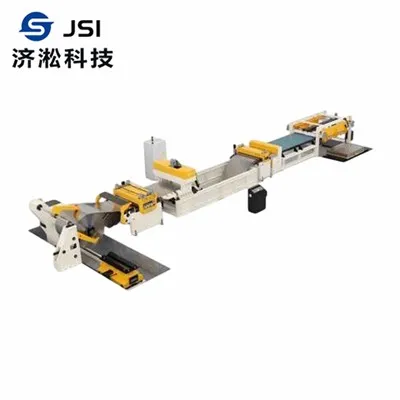
What is the feeding range of an NC feeder in terms of width and thickness?
As a seasoned supplier of NC feeders, I often encounter inquiries about the feeding range of these essential machines, particularly in terms of width and thickness. Understanding the feeding range is crucial for businesses looking to optimize their production processes and ensure the efficient operation of their stamping lines. In this blog post, I will delve into the factors that determine the feeding range of an NC feeder and provide insights into how different models can accommodate various material specifications.
Factors Affecting the Feeding Range
The feeding range of an NC feeder is primarily determined by two key factors: the width and thickness of the material being fed. These factors are interrelated and can significantly impact the performance and capabilities of the feeder. Let's take a closer look at each factor and how it influences the feeding range.
Material Width
The width of the material being fed is one of the most critical factors in determining the feeding range of an NC feeder. Different models of NC feeders are designed to accommodate specific width ranges, and it is essential to choose a feeder that can handle the maximum width of the materials you plan to use.
The width range of an NC feeder is typically specified by the manufacturer and can vary significantly depending on the model and design of the feeder. Some feeders are designed for narrow-width materials, such as strips or coils with widths ranging from a few millimeters to a few centimeters. These feeders are commonly used in applications where precision feeding of small components is required, such as in the electronics or jewelry industries.
On the other hand, there are NC feeders available that can handle wider materials, such as sheets or coils with widths ranging from several centimeters to several meters. These feeders are often used in larger-scale manufacturing operations, such as automotive or appliance production, where the ability to feed wide materials efficiently is crucial for productivity.
When selecting an NC feeder based on material width, it is important to consider not only the maximum width of the materials you currently use but also any potential future expansion or changes in your production requirements. Choosing a feeder with a slightly wider width range than your current needs can provide flexibility and ensure that you can adapt to changing production demands without having to invest in a new feeder.
Material Thickness
In addition to material width, the thickness of the material being fed is another important factor that affects the feeding range of an NC feeder. Different materials have different physical properties, and the thickness of the material can impact the feeder's ability to grip, transport, and feed the material accurately.
The thickness range of an NC feeder is also specified by the manufacturer and can vary depending on the model and design of the feeder. Some feeders are designed for thin materials, such as foils or sheets with thicknesses ranging from a few micrometers to a few millimeters. These feeders are commonly used in applications where delicate or lightweight materials need to be fed with precision, such as in the packaging or printing industries.
Conversely, there are NC feeders available that can handle thicker materials, such as plates or bars with thicknesses ranging from several millimeters to several centimeters. These feeders are typically used in heavy-duty manufacturing operations, such as metal fabrication or construction, where the ability to feed thick and heavy materials is essential.
When selecting an NC feeder based on material thickness, it is important to consider the mechanical properties of the material, such as its hardness, flexibility, and surface finish. Some materials may require special feeding mechanisms or adjustments to ensure proper feeding, and it is essential to choose a feeder that can accommodate the specific requirements of your materials.
Different Types of NC Feeders and Their Feeding Ranges
There are several different types of NC feeders available on the market, each with its own unique features and feeding ranges. Let's explore some of the most common types of NC feeders and their typical width and thickness capabilities.
Thin Sheet NC Servo Feeder
The Thin Sheet NC Servo Feeder is specifically designed for feeding thin materials, such as sheets or coils with thicknesses ranging from a few micrometers to a few millimeters. These feeders are equipped with servo motors and advanced control systems that allow for precise feeding and positioning of the material.
The width range of a thin sheet NC servo feeder can vary depending on the model, but it typically ranges from a few centimeters to several tens of centimeters. These feeders are commonly used in applications where high-speed and high-precision feeding of thin materials is required, such as in the electronics, packaging, or printing industries.
NC Servo Roll Feeder
The NC Servo Roll Feeder is a versatile feeder that can handle a wide range of material widths and thicknesses. These feeders are designed to feed materials in the form of rolls or coils and are commonly used in stamping, punching, and other metalworking applications.
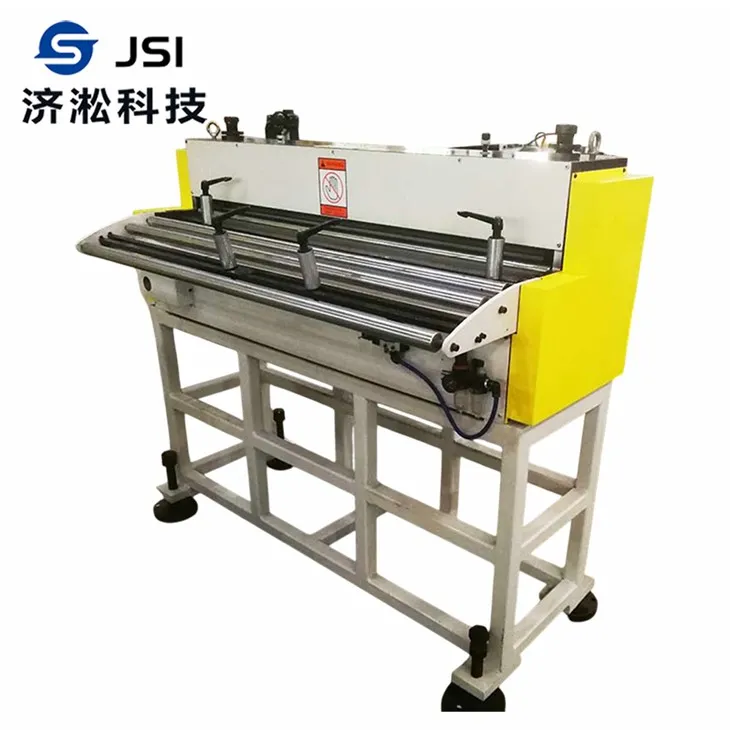

The width range of an NC servo roll feeder can vary significantly depending on the model and design, but it can typically accommodate materials with widths ranging from a few centimeters to several meters. The thickness range of these feeders also varies, but they can generally handle materials with thicknesses ranging from a few millimeters to several centimeters.
Zigzag Feeder
The Zigzag Feeder is a specialized feeder that is designed to feed materials in a zigzag pattern. These feeders are commonly used in applications where the material needs to be fed at an angle or in a specific pattern, such as in the production of corrugated cardboard or metal roofing.
The width and thickness range of a zigzag feeder can vary depending on the model and design, but they are typically designed to handle materials with widths ranging from a few centimeters to several meters and thicknesses ranging from a few millimeters to several centimeters.
Choosing the Right NC Feeder for Your Application
When choosing an NC feeder for your application, it is important to consider several factors, including the width and thickness of the materials you plan to use, the production volume and speed requirements, and the specific features and capabilities of the feeder.
Here are some tips to help you choose the right NC feeder for your needs:
- Determine your material specifications: Before selecting an NC feeder, it is essential to have a clear understanding of the width and thickness of the materials you plan to use. This will help you narrow down your options and choose a feeder that can accommodate your specific material requirements.
- Consider your production volume and speed requirements: The production volume and speed requirements of your application will also impact the choice of NC feeder. If you have high-volume production needs, you may need a feeder that can operate at high speeds and handle large quantities of material. On the other hand, if you have low-volume or prototype production needs, a slower and more precise feeder may be more suitable.
- Evaluate the features and capabilities of the feeder: Different NC feeders come with a variety of features and capabilities, such as servo motors, advanced control systems, and adjustable feeding mechanisms. Consider the specific features and capabilities that are important for your application and choose a feeder that offers the functionality you need.
- Seek expert advice: If you are unsure which NC feeder is right for your application, it is always a good idea to seek expert advice from a reputable supplier or manufacturer. They can provide you with detailed information about the different types of feeders available and help you choose the one that best meets your needs.
Conclusion
In conclusion, the feeding range of an NC feeder in terms of width and thickness is a critical factor to consider when selecting a feeder for your application. By understanding the factors that affect the feeding range and the different types of NC feeders available, you can make an informed decision and choose a feeder that can meet your specific material requirements and production needs.
As a leading supplier of NC feeders, we offer a wide range of high-quality feeders with various feeding ranges to suit different applications. If you have any questions or need further information about our NC feeders, please do not hesitate to contact us. We are here to help you find the right feeder for your business and ensure the success of your production processes.
References
- Manufacturer's specifications and product literature for NC feeders.
- Industry standards and guidelines for material feeding in stamping and metalworking applications.