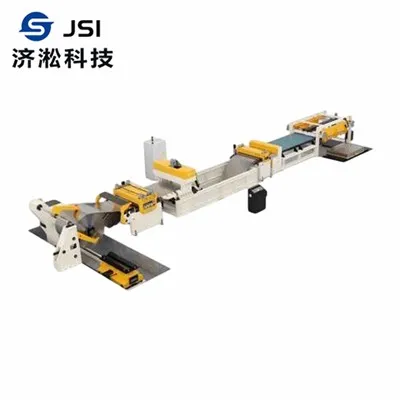
As a supplier of Zigzag Feeders, I understand the importance of proper packaging methods during transportation. Ensuring that our products reach our customers in perfect condition is not only a matter of customer satisfaction but also a reflection of the quality of our service. In this blog post, I will discuss the various packaging methods we use for Zigzag Feeders during transportation.
Understanding the Challenges of Transporting Zigzag Feeders
Zigzag Feeders are complex and precision - engineered machines. They consist of multiple components, such as conveyor belts, motors, sensors, and control systems. These components are often delicate and can be easily damaged during transit due to vibrations, shocks, and environmental factors like humidity and dust. Therefore, the packaging must be designed to protect the feeder from these potential hazards.
Primary Packaging Materials
Wooden Crates
Wooden crates are one of the most commonly used primary packaging materials for Zigzag Feeders. They offer excellent strength and durability, providing a solid enclosure for the feeder. The crates are custom - built to fit the dimensions of the feeder, ensuring a snug fit. This reduces the movement of the feeder inside the crate during transportation.
We use high - quality hardwood for the crates, which can withstand significant impact and weight. The crates are also treated to prevent moisture absorption, which could otherwise cause damage to the feeder's components. Inside the crate, we line the walls with shock - absorbing materials such as foam or rubber pads. These materials help to cushion the feeder from vibrations and shocks.
Plastic Wrapping
In addition to wooden crates, we also use plastic wrapping to protect the Zigzag Feeder. The feeder is first wrapped in a layer of stretch film, which tightly adheres to the surface of the machine. This film acts as a barrier against dust, moisture, and scratches.
We use high - density polyethylene (HDPE) stretch film, which is strong and resistant to tearing. The film is applied in multiple layers to ensure maximum protection. After the stretch film, we may also use a thicker plastic sheeting, such as polypropylene, to provide an extra layer of protection. This sheeting is especially useful in protecting the feeder from water damage during transportation, especially if the shipment is exposed to rain or high humidity.
Secondary Packaging and Protection
Shock - Absorbing Materials
To further protect the Zigzag Feeder from shocks and vibrations, we use a variety of shock - absorbing materials. Foam inserts are placed around the feeder's critical components, such as the motors and sensors. These foam inserts are designed to absorb the energy from impacts, reducing the risk of damage to the components.
We also use airbags in the packaging. Airbags are inflated and placed between the feeder and the walls of the crate. They provide a flexible and adjustable cushioning system, which can adapt to the movement of the feeder during transportation. The airbags are made of strong and durable materials, ensuring that they can withstand the pressure and movement inside the crate.
Desiccants
Moisture is a major concern during transportation, as it can cause corrosion and damage to the feeder's metal components. To combat this, we place desiccants inside the packaging. Silica gel packets are commonly used as desiccants. These packets can absorb a significant amount of moisture, keeping the environment inside the crate dry.
We calculate the amount of desiccants based on the size of the feeder and the expected duration of transportation. For longer shipments or shipments to areas with high humidity, we may use a larger quantity of desiccants.
Labeling and Documentation
Proper labeling and documentation are essential for the safe transportation of Zigzag Feeders. We label the packaging with clear instructions on how to handle the crate, including information on which side is up, how to lift the crate safely, and any special handling requirements.
The labels also include information about the contents of the crate, such as the model and serial number of the Zigzag Feeder. This helps in identifying the product during transit and at the destination. In addition to labels, we also provide detailed documentation, including a packing list, installation instructions, and maintenance manuals.
Comparison with Other Feeder Packaging
It's interesting to compare the packaging of Zigzag Feeders with other types of feeders. For example, the Thick Sheet NC Servo Feeder may require different packaging due to its size and the nature of its components. Thick sheet feeders are often heavier and larger, so the packaging needs to be more robust.
Similarly, the NC Feeder Machine and the Double Servo High Speed Feeder have their own unique packaging requirements. High - speed feeders, in particular, have sensitive components that need extra protection from vibrations and shocks.
Conclusion and Call to Action
In conclusion, proper packaging is crucial for the safe transportation of Zigzag Feeders. By using a combination of wooden crates, plastic wrapping, shock - absorbing materials, and desiccants, we ensure that our feeders reach our customers in perfect condition.
If you are in the market for a Zigzag Feeder or any other type of feeder, such as the Thick Sheet NC Servo Feeder, NC Feeder Machine, or Double Servo High Speed Feeder, we invite you to contact us for a consultation. Our team of experts can provide you with detailed information about our products and the packaging methods we use to ensure their safe delivery. We look forward to working with you to meet your feeder needs.


References
- "Packaging Design for Industrial Machinery", Industrial Packaging Association, 2020.
- "Moisture Control in Packaging", Journal of Packaging Science, Vol. 15, 2019.
- "Shock and Vibration Protection in Transportation", Transportation Research Board, 2018.