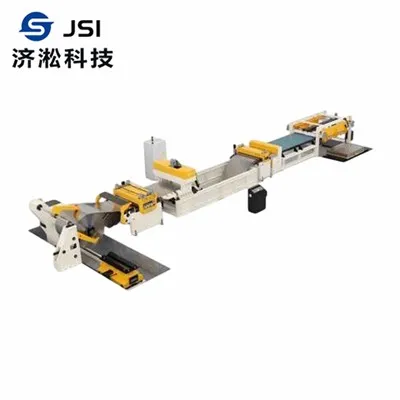
Hey there! As a supplier of Zigzag Feeders, I often get asked about the environmental impacts of using these machines. So, I thought I'd take a few minutes to break it down for you.
First off, let's talk about what a Zigzag Feeder is. A Zigzag Feeder is a type of feeder machine that's used in various industries, especially in metal stamping and processing. It's designed to feed materials in a zigzag pattern, which can be really useful for handling different types of sheets and coils. Compared to other feeders like the Thick Sheet NC Servo Feeder and the High Speed NC Servo Roll Feeder, the Zigzag Feeder has its own unique features and applications.
Energy Consumption
One of the key environmental aspects to consider is energy consumption. Zigzag Feeders are generally designed to be energy - efficient. Modern models come with advanced servo motor technology. These servo motors can adjust their power consumption based on the actual workload. For example, when there's a light load or the feeder is on standby, the motor can reduce its power usage. This is a huge plus from an environmental perspective because it means less electricity is being wasted.
In contrast, older feeder models or less advanced ones might consume a constant amount of energy regardless of the workload. This can lead to unnecessary energy consumption over time. With a Zigzag Feeder using energy - efficient servo motors, companies can significantly cut down on their electricity bills and also reduce their carbon footprint. According to some industry studies, energy - efficient feeders can save up to 30% of energy compared to traditional models.
Material Waste
Another important factor is material waste. A well - functioning Zigzag Feeder can minimize material waste during the feeding process. The precise feeding mechanism ensures that the materials are fed accurately into the processing equipment. This reduces the chances of misfeeds, which can lead to damaged materials.
For instance, in metal stamping operations, if the material isn't fed correctly, it might get punched in the wrong place, resulting in scrap metal. With a Zigzag Feeder, the zigzag feeding pattern allows for better alignment and control, which in turn reduces the amount of scrap material produced. This not only saves on raw material costs but also has a positive environmental impact. Less scrap means less material going to landfills and less energy spent on recycling or disposing of the waste.
Noise Pollution
Noise pollution is often overlooked when it comes to industrial equipment, but it's an important environmental concern. Zigzag Feeders are designed to operate quietly. The use of high - quality bearings and precision - engineered components helps to reduce vibrations and noise levels.
In a factory setting, excessive noise can be a nuisance to workers and can also have a negative impact on the surrounding environment. By using a Zigzag Feeder with low noise emissions, companies can create a more comfortable working environment for their employees and also minimize the impact on the local community. Some Zigzag Feeders are designed to operate at noise levels below 70 decibels, which is considered relatively quiet for industrial machinery.
Maintenance and Longevity
The maintenance requirements and longevity of a Zigzag Feeder also have environmental implications. These feeders are built to last. They are made from high - quality materials and are designed for easy maintenance. Regular maintenance ensures that the feeder operates at its optimal level, which in turn reduces the need for premature replacement.
When a machine lasts longer, it means less waste being generated from discarded equipment. Additionally, proper maintenance can prevent breakdowns that might lead to production stoppages and potentially more waste. For example, if a feeder breaks down and the production line has to be halted, there might be unfinished products that end up as waste. By investing in a durable Zigzag Feeder and keeping it well - maintained, companies can contribute to a more sustainable manufacturing process.


Comparison with Other Feeders
Let's compare the Zigzag Feeder with the Thick Sheet NC Servo Feeder and the High Speed NC Servo Roll Feeder. While all these feeders have their own advantages, the Zigzag Feeder stands out in terms of its ability to handle different types of materials and its energy - efficient and low - waste operation.
The Thick Sheet NC Servo Feeder is great for handling thick sheets, but it might not be as versatile as the Zigzag Feeder when it comes to different feeding patterns. The High Speed NC Servo Roll Feeder is designed for high - speed operations, but it might consume more energy at full speed compared to a Zigzag Feeder, especially if the workload isn't consistent.
Conclusion
In conclusion, using a Zigzag Feeder can have several positive environmental impacts. From energy efficiency and reduced material waste to low noise emissions and long - term durability, it's a great choice for companies looking to be more environmentally friendly.
If you're in the market for a feeder machine and are concerned about the environmental impact, I highly recommend considering a Zigzag Feeder. Whether you're in the metal stamping industry, the automotive industry, or any other industry that requires precise material feeding, a Zigzag Feeder can meet your needs while also being kind to the environment.
If you're interested in learning more about our Zigzag Feeders or would like to discuss a potential purchase, don't hesitate to reach out. We're here to help you make the best decision for your business and the environment.
References
- Industry study on energy - efficient servo motors in feeder machines
- Research on noise reduction in industrial machinery
- Reports on material waste reduction in metal stamping operations