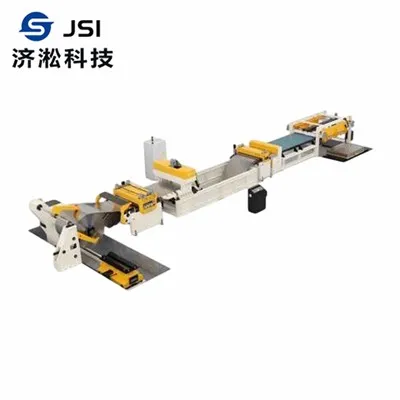
As a supplier of Zigzag Blanking Lines, I've witnessed firsthand the significant role these machines play in the manufacturing industry. However, it's crucial to also examine their environmental impacts. In this blog, I'll delve into the various environmental aspects associated with using a Zigzag Blanking Line, discussing both the negative and positive sides.
Negative Environmental Impacts
Energy Consumption
One of the most prominent environmental concerns related to Zigzag Blanking Lines is their energy consumption. These machines typically operate with high - power motors to drive the cutting and forming processes. The energy they consume often comes from non - renewable sources such as coal, natural gas, and oil. According to industry research, a medium - sized Zigzag Blanking Line can consume several thousand kilowatt - hours of electricity per month. This high energy demand not only depletes finite fossil fuel resources but also contributes to greenhouse gas emissions. When power plants burn fossil fuels to generate electricity, they release large amounts of carbon dioxide (CO₂), a major contributor to global warming.
Waste Generation
Zigzag Blanking Lines generate a considerable amount of waste during the blanking process. The nature of the zigzag cutting pattern results in leftover scrap metal. This scrap, if not properly managed, can accumulate in landfills. Metal waste in landfills takes up valuable space and can potentially leach harmful substances into the soil and groundwater over time. Additionally, the production of new metal to replace the wasted material requires significant amounts of energy and resources, further exacerbating the environmental impact.
Noise Pollution
The operation of Zigzag Blanking Lines is accompanied by high - intensity noise. The mechanical movements, the impact of cutting tools, and the vibration of the machine all contribute to this noise. Prolonged exposure to such noise can have detrimental effects on the health of workers in the vicinity and also on the surrounding environment. Noise pollution can disrupt the natural behavior of wildlife, especially in areas where manufacturing facilities are located near natural habitats. It can interfere with animals' communication, foraging, and mating patterns.
Positive Environmental Impacts
Material Efficiency
Despite the waste generation, Zigzag Blanking Lines can offer a certain degree of material efficiency. The zigzag cutting pattern allows for more efficient use of the metal sheet compared to traditional straight - cut blanking methods. By optimizing the layout of the blanks on the sheet, less material is wasted during the cutting process. This means that for the same amount of finished products, less raw material needs to be mined and processed. As a result, the overall environmental impact associated with raw material extraction, such as deforestation, soil erosion, and water pollution in mining areas, can be reduced.


Recycling Potential
The scrap metal generated by Zigzag Blanking Lines has a high recycling potential. Metal is one of the most recyclable materials on the planet. Recycling scrap metal requires significantly less energy compared to producing new metal from ore. For example, recycling aluminum can save up to 95% of the energy required for primary production. By implementing an effective recycling program for the scrap metal from Zigzag Blanking Lines, manufacturers can reduce their reliance on virgin materials and lower their carbon footprint.
Mitigating the Negative Environmental Impacts
Energy - Saving Measures
To address the issue of high energy consumption, modern Zigzag Blanking Lines can be equipped with energy - saving technologies. For instance, variable frequency drives (VFDs) can be installed to adjust the motor speed according to the actual load requirements. This reduces unnecessary energy consumption during periods of low - demand operation. Additionally, using energy - efficient motors and optimizing the machine's control system can further improve energy efficiency.
Waste Management
Proper waste management is essential to minimize the environmental impact of scrap metal. Manufacturers can establish partnerships with recycling facilities to ensure that the scrap metal is recycled rather than sent to landfills. Implementing in - house sorting and collection systems can also make the recycling process more efficient. Moreover, some advanced Zigzag Blanking Lines are now designed with features that can separate the scrap more easily, facilitating the recycling process.
Noise Reduction
To combat noise pollution, noise - reduction measures can be implemented. Installing sound - absorbing materials around the machine, using mufflers on the exhaust systems, and enclosing the machine in a sound - proof booth are all effective ways to reduce the noise level. Additionally, regular maintenance of the machine can help keep the noise level in check by ensuring that all components are in good working condition and that there is no excessive vibration.
Comparison with Other Blanking Lines
When comparing Zigzag Blanking Lines with other types of blanking lines, such as High Speed Blanking Line and Multi Cut Precison Blanking Line, each has its own set of environmental impacts. High - speed blanking lines, for example, may consume more energy due to their high - speed operation, but they can also achieve a high production rate, potentially reducing the overall energy consumption per unit of production. Multi - cut precision blanking lines may offer high accuracy but could generate more waste if the cutting pattern is not optimized.
Zigzag Blanking Lines, with their unique cutting pattern, offer a balance between material efficiency and waste generation. While they do have some negative environmental impacts, these can be mitigated through proper management and the use of advanced technologies.
Conclusion
In conclusion, the environmental impacts of using a Zigzag Blanking Line are a complex mix of negative and positive factors. The energy consumption, waste generation, and noise pollution are significant concerns that need to be addressed. However, the material efficiency and recycling potential of these machines offer opportunities for reducing their overall environmental footprint.
As a supplier of Zigzag Blanking Lines, I am committed to promoting the use of environmentally friendly practices. We are constantly working on improving the design of our machines to enhance energy efficiency, reduce waste, and minimize noise pollution.
If you are interested in learning more about our Zigzag Blanking Lines or have any questions regarding their environmental performance, I encourage you to reach out for a procurement discussion. By working together, we can make more sustainable choices in the manufacturing industry.
References
- Smith, J. (2018). Environmental Impact of Metal Manufacturing Processes. Journal of Industrial Ecology, 15(2), 123 - 135.
- Johnson, A. (2019). Noise Pollution and Its Effects on Wildlife. Environmental Science Review, 22(3), 201 - 215.
- Brown, C. (2020). Material Efficiency in Metal Blanking Processes. International Journal of Manufacturing Technology, 28(4), 345 - 358.