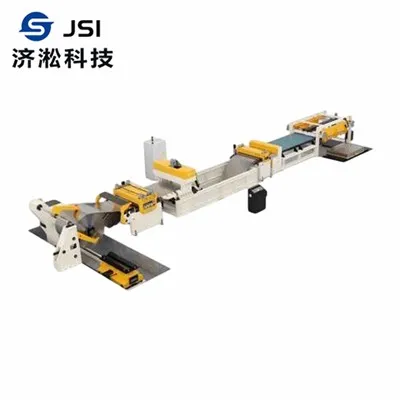
As a seasoned supplier of cut to length lines, I've encountered numerous electrical system issues over the years. Troubleshooting these problems effectively is crucial to ensure the smooth operation of the equipment and minimize downtime. In this blog post, I'll share some practical tips on how to troubleshoot the electrical system of a cut to length line.
Understanding the Electrical System of a Cut to Length Line
Before diving into troubleshooting, it's essential to have a basic understanding of the electrical system in a cut to length line. The electrical system typically consists of several key components, including power supplies, control panels, motors, sensors, and wiring. Each component plays a vital role in the overall functionality of the line.
The power supply provides the necessary electrical energy to operate the entire system. Control panels house the switches, relays, and programmable logic controllers (PLCs) that manage the operation of the line. Motors are responsible for driving the various mechanical components, such as rollers, shears, and conveyors. Sensors are used to detect the position, speed, and other parameters of the materials being processed. Wiring connects all these components together, allowing for the transfer of electrical signals.
Common Electrical Problems in Cut to Length Lines
Several common electrical problems can occur in cut to length lines. These include:


- Power Failures: Power outages or fluctuations can disrupt the operation of the line. This can be caused by issues with the main power supply, circuit breakers, or fuses.
- Motor Malfunctions: Motors may fail to start, run at incorrect speeds, or overheat. This can be due to problems with the motor itself, such as worn bearings or damaged windings, or issues with the motor control circuits.
- Sensor Failures: Sensors may provide inaccurate readings or fail to detect the presence of materials. This can lead to incorrect cutting lengths or other processing errors.
- Wiring Issues: Loose connections, damaged wires, or short circuits can cause electrical problems. These issues can be difficult to detect and may require a thorough inspection of the wiring system.
- PLC Errors: Programmable logic controllers (PLCs) are used to control the operation of the line. Errors in the PLC programming or malfunctions in the PLC hardware can cause the line to malfunction.
Troubleshooting Steps
When troubleshooting the electrical system of a cut to length line, it's important to follow a systematic approach. Here are some general steps to follow:
- Gather Information: Before starting any troubleshooting, gather as much information as possible about the problem. This includes the symptoms of the problem, any error messages displayed on the control panel, and the history of the equipment.
- Check the Power Supply: Start by checking the main power supply to the line. Ensure that the power is on and that there are no tripped circuit breakers or blown fuses. If the power supply is okay, check the voltage at the control panel and other key components to ensure that they are receiving the correct voltage.
- Inspect the Control Panel: Open the control panel and visually inspect the components for any signs of damage or overheating. Check the wiring connections to ensure that they are tight and secure. Look for any loose or damaged wires, and repair or replace them as necessary.
- Test the Motors: Use a multimeter to test the motors for continuity and resistance. Check the motor control circuits to ensure that they are functioning properly. If a motor is not running correctly, it may need to be replaced or repaired.
- Check the Sensors: Use a sensor tester or a multimeter to test the sensors for proper operation. Check the sensor wiring to ensure that it is connected correctly and that there are no loose connections. If a sensor is not working correctly, it may need to be replaced.
- Inspect the Wiring System: Carefully inspect the wiring system for any signs of damage or wear. Look for loose connections, frayed wires, or short circuits. Use a wiring diagram to trace the electrical circuits and identify any potential problems. Repair or replace any damaged wiring as necessary.
- Check the PLC: If the line is controlled by a programmable logic controller (PLC), check the PLC programming for any errors. Use a PLC programming software to upload the program and check for any syntax errors or logical mistakes. If the PLC hardware is malfunctioning, it may need to be replaced.
- Test the System: After making any repairs or replacements, test the system to ensure that it is functioning properly. Run a test cycle on the cut to length line and check the cutting lengths, speeds, and other parameters to ensure that they are within the specified range.
Specific Troubleshooting Tips
Here are some specific troubleshooting tips for common electrical problems in cut to length lines:
- Power Failures:
- Check the main power supply to the building or facility to ensure that there are no power outages or fluctuations.
- Check the circuit breakers and fuses in the control panel to ensure that they are not tripped or blown.
- If the power failure is intermittent, it may be caused by a loose connection or a faulty electrical component. Inspect the wiring and components for any signs of damage or wear.
- Motor Malfunctions:
- Check the motor for any signs of overheating or damage. Look for worn bearings, damaged windings, or other mechanical problems.
- Check the motor control circuits to ensure that they are functioning properly. Use a multimeter to test the voltage and current at the motor terminals.
- If the motor is not running at the correct speed, check the motor speed controller or the PLC programming to ensure that the speed settings are correct.
- Sensor Failures:
- Check the sensor for any signs of damage or misalignment. Look for loose connections, broken wires, or other physical problems.
- Use a sensor tester or a multimeter to test the sensor for proper operation. Check the sensor output to ensure that it is within the specified range.
- If the sensor is not detecting the presence of materials, check the sensor installation to ensure that it is positioned correctly. Adjust the sensor position or sensitivity as necessary.
- Wiring Issues:
- Use a wiring diagram to trace the electrical circuits and identify any potential problems. Look for loose connections, frayed wires, or short circuits.
- Use a multimeter to test the continuity of the wiring. Check the resistance between different points in the circuit to ensure that there are no breaks or short circuits.
- If the wiring is damaged, repair or replace it as necessary. Use the correct gauge and type of wire for the application.
- PLC Errors:
- Check the PLC programming for any errors. Use a PLC programming software to upload the program and check for any syntax errors or logical mistakes.
- Check the PLC hardware for any signs of damage or malfunction. Look for loose connections, overheating, or other physical problems.
- If the PLC is not communicating with the other components of the system, check the communication cables and settings to ensure that they are correct.
Preventive Maintenance
To minimize the occurrence of electrical problems in cut to length lines, it's important to perform regular preventive maintenance. Here are some preventive maintenance tips:
- Clean the Equipment: Regularly clean the electrical components and wiring to remove dust, dirt, and debris. This helps to prevent overheating and other problems.
- Inspect the Wiring: Periodically inspect the wiring system for any signs of damage or wear. Look for loose connections, frayed wires, or short circuits. Repair or replace any damaged wiring as necessary.
- Lubricate the Motors: Follow the manufacturer's recommendations for lubricating the motors. This helps to reduce friction and wear and extends the life of the motors.
- Test the Sensors: Regularly test the sensors for proper operation. Use a sensor tester or a multimeter to check the sensor output and ensure that it is within the specified range.
- Update the PLC Programming: Keep the PLC programming up to date with the latest software releases. This helps to ensure that the line is operating efficiently and that any bugs or glitches are fixed.
Conclusion
Troubleshooting the electrical system of a cut to length line requires a systematic approach and a basic understanding of electrical principles. By following the steps outlined in this blog post, you can effectively diagnose and repair common electrical problems in cut to length lines. Remember to perform regular preventive maintenance to minimize the occurrence of electrical problems and ensure the smooth operation of your equipment.
If you're in the market for a high-quality cut to length line, we offer a range of products to meet your needs. Check out our Coil Cut To Length Line, Multi-function Cutting Line, and Fully Automatic Cutting Machine Production Line for more information.
If you have any questions or would like to discuss your specific requirements, please don't hesitate to contact us. We're here to help you find the right solution for your business.
References
- Electrical Installation Handbook, Schneider Electric
- Industrial Automation and Control Handbook, McGraw-Hill Education
- Programmable Logic Controllers: Principles and Applications, Delmar Cengage Learning