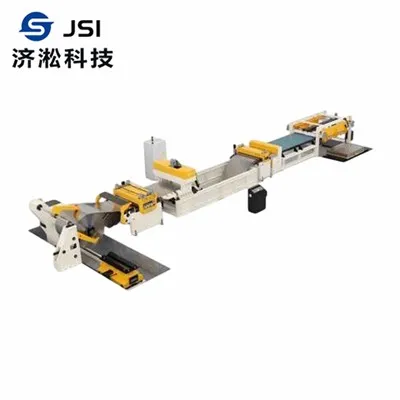
Troubleshooting common problems in a High Speed Blanking Line is crucial for maintaining efficient production processes. As a trusted High Speed Blanking Line [/blanking-line/high-speed-blanking-line.html] supplier, we understand the challenges that manufacturers face when dealing with these complex systems. In this blog, we'll explore some of the most common issues encountered in high-speed blanking lines and provide practical solutions to help you keep your operations running smoothly.
1. Material Feeding Problems
One of the primary issues in high-speed blanking lines is related to material feeding. If the material does not feed correctly, it can lead to a range of problems, including misaligned blanks, damaged tooling, and reduced production efficiency.
Inconsistent Material Feed
Inconsistent material feed can occur due to several reasons. Worn-out feed rollers are a common culprit. Over time, the surface of the feed rollers can become smooth, reducing their grip on the material. This results in the material slipping during the feeding process. To address this issue, regularly inspect the feed rollers for wear and replace them when necessary.
Another cause of inconsistent feed can be improper tension settings. If the tension on the material is too high or too low, it can affect the feeding speed and accuracy. Adjust the tension settings according to the material type and thickness. You can refer to the machine's manual for the recommended tension values.
Material Jams
Material jams are a frustrating problem that can halt production. They often occur when the material gets caught in the feed path, usually due to debris or misaligned guides. To prevent material jams, keep the feed path clean and free of any foreign objects. Regularly inspect and clean the guides to ensure they are properly aligned.


If a jam does occur, stop the machine immediately to avoid further damage. Carefully remove the jammed material, taking care not to damage the machine components. Check for any signs of damage to the guides or other parts and repair or replace them as needed.
2. Tooling Issues
Tooling is a critical component of a high-speed blanking line, and problems with tooling can have a significant impact on the quality of the blanks and the overall productivity of the line.
Tool Wear
Tool wear is inevitable in high-speed blanking operations. As the tools are used repeatedly to cut and shape the material, the cutting edges gradually become dull. Dull tools can result in poor-quality blanks, increased burrs, and higher energy consumption.
To minimize tool wear, use high-quality tooling materials that are suitable for the specific application. Implement a regular tool maintenance schedule, including sharpening and regrinding the cutting edges. Monitor the tool performance closely and replace the tools when they reach the end of their useful life.
Tool Breakage
Tool breakage can be a serious problem, causing damage to the machine and interrupting production. It can be caused by several factors, such as excessive cutting forces, improper tool installation, or material defects.
To prevent tool breakage, ensure that the cutting forces are within the recommended limits for the tooling. Check the tool installation to make sure it is correct and secure. Inspect the incoming material for any defects that could cause excessive stress on the tools.
3. Electrical and Control System Problems
The electrical and control systems of a high-speed blanking line are responsible for regulating the machine's operation and ensuring its safety. Problems in these systems can lead to unexpected shutdowns, incorrect machine settings, and even safety hazards.
Electrical Short Circuits
Electrical short circuits can occur due to damaged wiring, loose connections, or overheating components. They can cause the machine to stop working suddenly or even damage the electrical components.
To prevent electrical short circuits, regularly inspect the wiring for any signs of damage or wear. Tighten all the electrical connections to ensure a secure fit. Install overheat protection devices on critical components to prevent overheating.
Control System Malfunctions
Control system malfunctions can result in incorrect machine settings, such as improper feed rates or cutting positions. This can lead to poor-quality blanks and reduced production efficiency.
If you suspect a control system malfunction, check the control panel for error messages. Refer to the machine's manual to diagnose and troubleshoot the problem. In some cases, you may need to reset the control system or update the software.
4. Noise and Vibration Issues
Excessive noise and vibration in a high-speed blanking line can indicate underlying problems that need to be addressed. They can also have a negative impact on the working environment and the longevity of the machine.
Excessive Noise
Excessive noise can be caused by several factors, such as loose components, worn-out bearings, or improper machine alignment. To reduce noise, tighten all the loose components and replace any worn-out bearings. Check the machine alignment and make any necessary adjustments.
High Vibration
High vibration can affect the quality of the blanks and cause damage to the machine components. It can be caused by unbalanced rotating parts, improper tooling, or uneven material feeding.
To reduce vibration, balance all the rotating parts, such as the flywheel and the drive shaft. Check the tooling for proper installation and alignment. Ensure that the material is fed evenly through the machine.
5. Quality Control Problems
Maintaining high-quality blanks is essential for the success of any manufacturing operation. Quality control problems in a high-speed blanking line can lead to customer complaints, increased scrap rates, and reduced profitability.
Inconsistent Blank Dimensions
Inconsistent blank dimensions can occur due to tool wear, improper machine settings, or material variations. To ensure consistent blank dimensions, regularly calibrate the machine and the tooling. Monitor the material thickness and properties to ensure they are within the specified range.
Surface Defects
Surface defects, such as scratches, dents, or burrs, can affect the appearance and functionality of the blanks. They can be caused by dull tools, improper material handling, or debris in the feed path.
To reduce surface defects, use sharp tools and proper material handling techniques. Keep the feed path clean and free of debris. Implement a quality control system to inspect the blanks for any surface defects and take corrective action as needed.
Conclusion
Troubleshooting common problems in a High Speed Blanking Line requires a systematic approach and a good understanding of the machine's operation. By addressing the issues related to material feeding, tooling, electrical and control systems, noise and vibration, and quality control, you can ensure the efficient and reliable operation of your high-speed blanking line.
If you are experiencing persistent problems with your high-speed blanking line or need further assistance, we encourage you to contact us for professional support. Our team of experts is dedicated to helping you optimize your production processes and achieve the best results. Whether you are looking for a new High Speed Blanking Line, a [/blanking-line/laser-blanking-line.html] Laser Blanking Line, or a [/blanking-line/3-in-1-blanking-line.html] 3 in 1 Blanking Line, we have the expertise and solutions to meet your needs. Let's start a conversation today and explore how we can work together to enhance your manufacturing capabilities.
References
- High Speed Blanking Line Handbook, Manufacturer's Manual
- Electrical and Control Systems for Industrial Machines, Technical Publication
- Tooling Design and Maintenance Guide, Industry Standard Document