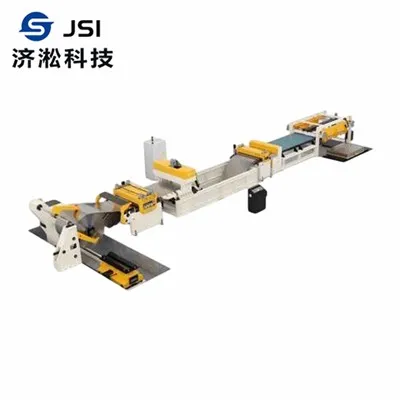
Encountering a coil straightener that suddenly stops working can be a frustrating experience for any operator. As a reputable coil straightener supplier, we understand the importance of getting your equipment up and running as quickly as possible. In this blog post, we'll guide you through a systematic approach to troubleshooting a coil straightener that has unexpectedly ceased operation.
Initial Checks
Before delving into complex diagnostics, it's essential to perform some basic checks. First, ensure that the power supply to the coil straightener is intact. Check the circuit breaker or fuse box to see if any breakers have tripped or fuses have blown. If so, reset the breaker or replace the fuse and attempt to restart the machine.
Next, inspect the control panel for any error messages or indicator lights. Many modern coil straighteners are equipped with diagnostic systems that can provide valuable information about the source of the problem. Refer to the user manual for a list of error codes and their corresponding meanings.
Mechanical Inspection
If the power supply and control panel appear to be functioning correctly, the next step is to conduct a mechanical inspection of the coil straightener. Start by examining the drive belts and chains. Over time, these components can become worn, loose, or damaged, which can cause the machine to stop working. Check for signs of fraying, cracking, or excessive slack, and replace any belts or chains that show significant wear.
Inspect the rollers and bearings for any signs of damage or misalignment. Damaged rollers can cause uneven straightening and may eventually lead to the machine shutting down. Look for signs of scoring, pitting, or excessive wear on the roller surfaces, and replace any damaged rollers as needed. Similarly, check the bearings for smooth operation and replace any that are noisy, rough, or seized.
Electrical System
The electrical system of a coil straightener is another common source of problems. Check the wiring connections for any loose, damaged, or corroded wires. Loose connections can cause intermittent power loss or electrical shorts, which can lead to the machine stopping unexpectedly. Use a multimeter to test the continuity of the wires and ensure that they are properly connected.
Inspect the motor and its associated components, such as the motor controller and overload protection devices. A faulty motor can prevent the coil straightener from operating, so it's important to check for any signs of overheating, unusual noises, or vibration. If the motor appears to be damaged, it may need to be replaced or repaired by a qualified technician.


Hydraulic System (if applicable)
Some coil straighteners are equipped with a hydraulic system to provide the necessary force for straightening. If your coil straightener has a hydraulic system, check the hydraulic fluid level and look for any signs of leaks. Low fluid levels can cause the system to lose pressure and may result in the machine stopping. If the fluid level is low, top it up with the recommended hydraulic fluid.
Inspect the hydraulic hoses and fittings for any signs of damage or leaks. Leaking hoses can cause a loss of pressure and may lead to the machine malfunctioning. Replace any damaged hoses or fittings as soon as possible to prevent further damage to the hydraulic system.
Software and Control System
In modern coil straighteners, the software and control system play a crucial role in the operation of the machine. If you suspect that the problem lies in the software or control system, try resetting the system to its default settings. Refer to the user manual for instructions on how to perform a system reset.
If the problem persists after resetting the system, it may be necessary to update the software to the latest version. Check the manufacturer's website for any available software updates and follow the instructions provided to install them. In some cases, the software may need to be reinstalled or reprogrammed by a qualified technician.
Additional Resources
If you're still unable to troubleshoot the problem on your own, don't hesitate to contact our technical support team. Our experienced technicians are available to provide you with expert advice and assistance. We also offer a range of maintenance and repair services to ensure that your coil straightener is operating at its best.
In addition to our technical support, we offer a variety of coil straighteners to meet your specific needs. Whether you're working with Thick Sheet Straightener or Thin Sheet Straightener, we have the right solution for you. Our Straightener-top Flip Up models offer enhanced flexibility and ease of use, making them ideal for a wide range of applications.
Conclusion
Troubleshooting a coil straightener that stops working suddenly can be a challenging task, but by following a systematic approach and conducting a thorough inspection of the machine, you can often identify and resolve the problem quickly. Remember to always prioritize safety when working on the machine and to consult the user manual or a qualified technician if you're unsure about any aspect of the troubleshooting process.
If you're in the market for a new coil straightener or need assistance with your existing equipment, we invite you to contact us to discuss your requirements. Our team of experts is here to help you find the right solution for your business and to ensure that you get the most out of your investment.
References
- Manufacturer's user manual for the coil straightener
- Industry standards and best practices for coil straightener maintenance and troubleshooting