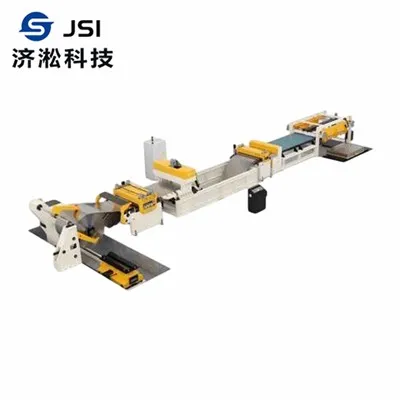
Hey there! As a supplier of cut to length lines, I've seen my fair share of material jams. It's a real pain in the neck, isn't it? A jam can bring your production to a screeching halt, cost you time, and eat into your profits. But don't worry, I'm here to share some tips on how to prevent those pesky material jams in your cut to length line.
1. Know Your Materials
First things first, you gotta know what you're working with. Different materials have different properties, and these can affect how they move through your cut to length line. For example, metals like steel and aluminum have different levels of flexibility and hardness. If you're dealing with a particularly stiff material, it might be more prone to jamming.
Make sure you understand the specifications of the materials you're using. Check things like thickness, width, and surface finish. This will help you set up your cut to length line correctly. For instance, if you're working with a thick material, you might need to adjust the pressure settings on your rollers to ensure smooth feeding.
2. Keep Your Equipment Clean
A dirty cut to length line is a breeding ground for material jams. Dust, debris, and even small pieces of metal can accumulate over time and cause problems. Regular cleaning is essential to keep your equipment running smoothly.
Start by cleaning the rollers. Over time, dirt and grime can build up on the rollers, causing them to lose their grip on the material. Use a clean, dry cloth to wipe down the rollers regularly. You can also use a mild cleaning solution if necessary, but make sure to dry the rollers thoroughly afterward.
Don't forget about the cutting blades. A dull or dirty blade can cause the material to tear or bunch up, leading to jams. Sharpen or replace your blades as needed, and keep them clean to ensure a clean cut.
3. Check Your Rollers and Guides
The rollers and guides in your cut to length line play a crucial role in keeping the material moving smoothly. If they're not aligned correctly or are worn out, it can cause the material to veer off course and jam.
Regularly inspect your rollers and guides for signs of wear and tear. Look for any damage, such as cracks or dents, and replace any worn-out parts immediately. Make sure the rollers are properly aligned and adjusted to the correct pressure. This will help ensure that the material is fed through the line evenly and without any issues.
4. Optimize Your Feeding System
The feeding system is the heart of your cut to length line. If it's not working properly, it can lead to all sorts of problems, including material jams. There are a few things you can do to optimize your feeding system.
First, make sure the material is loaded correctly. It should be centered on the feeding table and aligned with the rollers. If the material is off-center, it can cause it to jam as it moves through the line.
You can also adjust the feeding speed to match the capabilities of your equipment and the type of material you're using. If you're feeding too fast, the material might not have enough time to move through the line smoothly, leading to jams. On the other hand, if you're feeding too slowly, it can reduce your productivity.
5. Use Quality Control Measures
Implementing quality control measures can help you catch potential problems before they turn into material jams. Regularly check the output of your cut to length line to ensure that the cuts are clean and accurate. If you notice any issues, such as uneven cuts or rough edges, it could be a sign of a problem with your equipment or the material.
You can also use sensors and monitoring systems to detect any abnormalities in the feeding process. These systems can alert you to potential jams before they occur, allowing you to take corrective action quickly.
6. Train Your Operators
Your operators are the ones who will be running your cut to length line on a daily basis. Proper training is essential to ensure that they know how to operate the equipment correctly and prevent material jams.
Provide your operators with comprehensive training on the operation and maintenance of your cut to length line. Teach them how to recognize the signs of a potential jam and how to take corrective action. Encourage them to report any issues or concerns immediately so that they can be addressed before they cause a major problem.
7. Invest in High-Quality Equipment
Finally, investing in high-quality cut to length line equipment can go a long way in preventing material jams. Cheaper equipment might seem like a good deal at first, but it can often be less reliable and more prone to problems.
Look for equipment that is designed to handle the types of materials you work with and has a reputation for reliability. For example, you might want to consider a Fully Automatic Cutting Machine Production Line, which offers advanced features and precision cutting. Another option is a Coil Cut To Length Line, which is specifically designed for processing coils of material. And if you need high-speed cutting, a High Speed Steel Cut To Length Machine Line might be the right choice for you.
In conclusion, preventing material jams in your cut to length line requires a combination of proper equipment maintenance, operator training, and quality control measures. By following these tips, you can keep your production running smoothly and avoid costly downtime.


If you're in the market for a new cut to length line or need help with your existing equipment, don't hesitate to reach out. We're here to provide you with the best solutions and support to meet your needs. Let's work together to keep your production line jam-free!
References
- Smith, J. (2020). Guide to Cut to Length Line Maintenance. Manufacturing Today.
- Johnson, M. (2019). Preventing Material Jams in Industrial Cutting Equipment. Industrial Equipment Journal.