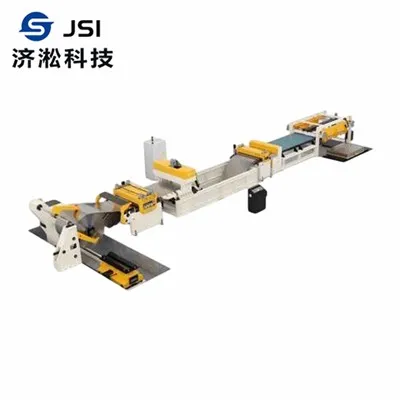
As a trusted supplier of coil straighteners, I understand the importance of a well - installed guide device in a coil straightener. A properly installed guide device can significantly enhance the performance and efficiency of the coil straightening process. In this blog, I will walk you through the step - by - step process of installing a guide device in a coil straightener.
Understanding the Guide Device in a Coil Straightener
Before we start the installation process, it's crucial to understand what a guide device is and its role in a coil straightener. The guide device is designed to direct the coil strip accurately into the straightening rollers. It ensures that the coil moves smoothly through the straightener, reducing the risk of misalignment and improving the quality of the straightened product. There are different types of coil straighteners, such as the S Type Straightener, Thin Sheet Straightener, and Thick Sheet Straightener, and the guide device installation may vary slightly depending on the type.


Preparation for Installation
- Gather the Necessary Tools: You will need a set of basic tools for the installation, including wrenches, screwdrivers, measuring tapes, and a level. Make sure all the tools are in good condition and of the appropriate size.
- Inspect the Guide Device and Coil Straightener: Before installation, carefully inspect the guide device for any damage or defects. Check the coil straightener as well, ensuring that all its components are clean and in proper working order. Look for any signs of wear and tear on the straightening rollers, frames, and other parts.
- Read the Manual: Every guide device and coil straightener comes with a user manual. Read the manual thoroughly to understand the specific installation requirements and procedures. The manual will also provide important safety instructions that you must follow during the installation process.
Step - by - Step Installation Process
Step 1: Positioning the Coil Straightener
- Place the coil straightener in a suitable location. The area should be flat, stable, and have enough space around it for easy access during operation and maintenance. Use a level to ensure that the straightener is perfectly horizontal. This is important because an unevenly placed straightener can cause problems with the guide device installation and the overall straightening process.
Step 2: Mounting the Guide Device Frame
- Locate the mounting points on the coil straightener where the guide device frame will be attached. These mounting points are usually pre - drilled holes on the straightener's frame.
- Align the guide device frame with the mounting points on the coil straightener. Use the measuring tape to ensure that the frame is centered and properly positioned. Once aligned, insert the bolts through the holes in the frame and the mounting points on the straightener.
- Tighten the bolts using the appropriate wrench. Make sure to tighten them evenly to prevent the frame from being misaligned. Do not overtighten the bolts, as this can damage the frame or the straightener.
Step 3: Installing the Guide Rollers
- The guide rollers are an essential part of the guide device. They help to guide the coil strip smoothly through the straightener. First, identify the positions where the guide rollers will be installed on the guide device frame.
- Insert the guide rollers into their respective mounting positions. Some guide rollers may require the use of bearings, so make sure to install the bearings correctly before mounting the rollers.
- Secure the guide rollers in place using nuts and bolts. Check the alignment of the guide rollers to ensure that they are parallel to each other and perpendicular to the direction of the coil strip movement.
Step 4: Adjusting the Guide Rollers
- After installing the guide rollers, you need to adjust their height and position. The height of the guide rollers should be set so that the coil strip can pass through them smoothly without excessive friction or resistance.
- Use a feeler gauge to measure the clearance between the guide rollers and the coil strip. Adjust the rollers accordingly until the clearance is within the recommended range specified in the manual.
- Also, adjust the lateral position of the guide rollers to ensure that the coil strip is centered as it enters the straightening rollers. This will help to prevent the strip from drifting to one side during the straightening process.
Step 5: Connecting the Guide Device to the Control System (if applicable)
- Some guide devices are connected to the control system of the coil straightener. This allows for automatic adjustment of the guide device based on the parameters of the coil strip, such as thickness and width.
- If your guide device has a control system connection, carefully follow the wiring diagram in the manual to connect the device to the control system. Make sure all the connections are secure and properly insulated to prevent electrical hazards.
Step 6: Testing the Guide Device
- Once the installation is complete, it's time to test the guide device. Start the coil straightener and feed a short length of coil strip through the guide device and the straightening rollers.
- Observe the movement of the coil strip. It should move smoothly through the guide device and into the straightening rollers without any jams or misalignments. If you notice any problems, such as the strip getting stuck or not moving straight, stop the machine immediately and re - check the installation and adjustments of the guide device.
Maintenance and Troubleshooting
- Regular Maintenance: To ensure the long - term performance of the guide device, regular maintenance is essential. Clean the guide rollers regularly to remove any debris or dirt that may accumulate on them. Lubricate the moving parts, such as the bearings, according to the manufacturer's recommendations.
- Troubleshooting: If you encounter problems with the guide device, such as excessive wear on the guide rollers or misalignment, refer to the troubleshooting section of the manual. In some cases, you may need to replace worn - out parts or make further adjustments to the guide device.
Conclusion
Installing a guide device in a coil straightener is a process that requires careful preparation, attention to detail, and following the correct procedures. By following the steps outlined in this blog, you can ensure a successful installation and improve the performance of your coil straightener.
If you are in the market for a high - quality coil straightener or need further assistance with the installation of a guide device, we are here to help. Our team of experts can provide you with professional advice and support. Contact us for more information and to start a procurement discussion. We look forward to serving you and helping you achieve the best results in your coil straightening operations.
References
- Manufacturer's user manuals for coil straighteners and guide devices
- Industry standards and best practices for coil straightener installation and operation