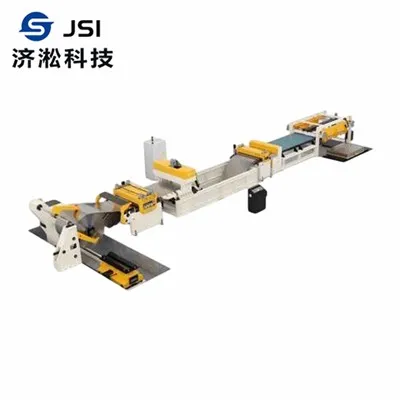
Hey there! As a supplier of tandem press lines, I know how crucial it is to boost the precision of these machines. Precision isn't just a buzzword; it directly impacts the quality of the end product, production efficiency, and overall profitability. So, let's dive into some practical ways to improve the precision of a tandem press line.
1. Regular Maintenance and Calibration
First off, regular maintenance is a must. Think of it like taking your car in for a tune - up. A tandem press line is a complex piece of machinery with many moving parts. Over time, these parts can wear out, which can lead to a decrease in precision.
We need to check and lubricate all the mechanical components regularly. For instance, the bearings, gears, and slides should be inspected for any signs of wear or damage. If we notice any issues, we've got to replace the parts right away.
Calibration is another key aspect. We have to ensure that all the sensors and control systems are calibrated accurately. This includes the position sensors, pressure sensors, and speed sensors. Incorrect calibration can cause the press to operate at the wrong positions or with the wrong force, leading to imprecise parts. You can find more about the automation aspects related to these calibrations on the Automation Of Tandem Lines page.
2. Upgrade the Control System
The control system is like the brain of the tandem press line. An outdated control system can limit the precision of the machine. Upgrading to a modern, advanced control system can make a huge difference.
Newer control systems offer better accuracy in terms of position control, force control, and speed control. They can also handle complex programming tasks more efficiently. For example, they can adjust the press operations in real - time based on the feedback from the sensors. This means that if there's a slight variation in the material thickness or hardness, the press can automatically adjust its parameters to maintain precision.
Some of the latest control systems also come with built - in diagnostic tools. These tools can detect potential problems before they turn into major issues, allowing for proactive maintenance. You can explore more about the advanced features of modern control systems in relation to tandem press lines on the Servo System Transfer Tandem Line page.
3. Improve the Tooling
Tooling plays a vital role in the precision of a tandem press line. The quality of the dies and punches directly affects the shape and dimensions of the stamped parts.
We should invest in high - quality tooling materials. Harder and more wear - resistant materials can maintain their shape and sharpness for a longer time, resulting in more precise parts. Additionally, the design of the tooling is crucial. A well - designed die can distribute the force evenly across the material, reducing the chances of deformation and improving the overall precision.
Regular inspection and maintenance of the tooling are also necessary. We need to check for any signs of wear, such as chipping or dulling of the cutting edges. If the tooling is damaged, it should be repaired or replaced immediately. The Manipulator Conveys Tandem Line page provides some insights on how the transfer systems interact with the tooling to ensure precision.
4. Optimize the Material Handling
Efficient material handling is essential for precision in a tandem press line. If the material isn't fed into the press accurately, it can lead to misaligned parts.
We can use advanced automation systems for material handling. For example, robotic arms can pick and place the material with high precision. These robots can be programmed to handle different sizes and shapes of materials, ensuring consistent feeding into the press.
In addition, the conveyor systems should be well - maintained and calibrated. They need to move the material at a constant speed and in a straight line. Any vibrations or irregular movements in the conveyor can cause the material to shift, resulting in imprecise stamping.
5. Train the Operators
No matter how advanced the equipment is, if the operators don't know how to use it properly, the precision of the tandem press line will be affected.
We need to provide comprehensive training to the operators. They should be familiar with the operation of the press, the control system, and the tooling. Training should also cover safety procedures, maintenance tasks, and troubleshooting.
Skilled operators can make real - time adjustments to the press based on their experience and observations. They can detect early signs of problems and take appropriate actions to ensure the precision of the production process.
6. Monitor and Analyze the Production Data
In today's digital age, data is king. By monitoring and analyzing the production data, we can identify areas for improvement in the precision of the tandem press line.
We can install sensors throughout the press line to collect data on various parameters such as position, force, speed, and temperature. This data can be analyzed using advanced software tools. For example, we can look for patterns in the data to identify if there are any recurring issues that are affecting the precision.
Based on the analysis, we can make data - driven decisions to optimize the press line. We might adjust the control parameters, change the maintenance schedule, or modify the tooling design.
7. Implement Quality Control Checks
Quality control checks are an important part of ensuring the precision of the tandem press line. We should have a system in place to inspect the stamped parts at different stages of the production process.
This can include visual inspections, dimensional measurements, and material property tests. By catching any defective parts early, we can prevent them from being further processed, saving time and resources.
We can also use statistical process control (SPC) techniques to monitor the quality of the production. SPC helps us to determine if the process is in control and if there are any trends or variations that need to be addressed.
8. Collaborate with Suppliers and Partners
As a tandem press line supplier, I know the importance of collaboration. We should work closely with our suppliers of raw materials, tooling, and components.
Our suppliers can provide us with high - quality materials and parts that are essential for precision. They can also offer technical support and advice on how to optimize the use of their products in our press lines.
In addition, collaborating with industry partners, such as research institutions or other manufacturers, can help us to stay updated on the latest technologies and best practices. We can share knowledge and experiences, which can lead to improvements in the precision of our tandem press lines.


In conclusion, improving the precision of a tandem press line is a multi - faceted process. It involves regular maintenance, upgrading the control system, improving the tooling, optimizing the material handling, training the operators, monitoring the data, implementing quality control checks, and collaborating with others.
If you're in the market for a tandem press line or looking to improve the precision of your existing one, I'd love to have a chat. We can discuss your specific needs and how we can work together to achieve the best results.
References
- General knowledge and experience in the tandem press line industry.
- Insights from industry research and best - practice guidelines.