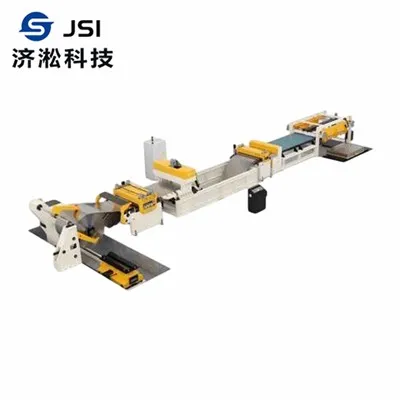
Hey there! As a supplier of NC Feeder Machines, I've seen firsthand how crucial it is to boost the feeding efficiency of these machines. In today's competitive manufacturing world, every second counts, and improving the efficiency of your NC Feeder Machine can lead to significant cost savings and increased productivity. So, let's dive into some practical tips on how you can achieve just that.
1. Regular Maintenance and Inspection
First off, regular maintenance is the key to keeping your NC Feeder Machine running smoothly. Just like a car, if you don't take care of it, it's going to break down eventually. You should schedule routine inspections to check for any signs of wear and tear. Look at the belts, pulleys, and gears – these are the parts that are most likely to wear out over time.
Replace any worn-out components as soon as you notice them. A small part might seem insignificant, but it can cause major problems if it fails during operation. Also, make sure to clean the machine regularly. Dust and debris can accumulate and affect the performance of the feeder. Use compressed air to blow out any dirt from hard-to-reach places.
2. Optimize the Feeding Program
The feeding program is like the brain of your NC Feeder Machine. It controls how the machine feeds the material, so it's essential to optimize it. Start by analyzing your production requirements. What kind of materials are you working with? How thick are they? What's the required feeding speed?
Based on this information, adjust the feeding parameters in the program. For example, if you're working with a thicker material, you might need to slow down the feeding speed to ensure accurate feeding. On the other hand, if the material is thin, you can increase the speed to improve efficiency.


You can also use the machine's built-in features to optimize the program. Some NC Feeder Machines have functions like automatic length measurement and compensation. These features can help you achieve more accurate feeding and reduce waste.
3. Upgrade to the Latest Technology
Technology is constantly evolving, and upgrading your NC Feeder Machine can make a big difference in its efficiency. Consider investing in a Medium Sheet NC Servo Feeder or a High Speed NC Servo Roll Feeder. These machines are designed with the latest technology to provide faster and more accurate feeding.
Servo feeders, for example, offer better control over the feeding process. They can adjust the feeding speed and position more precisely, which reduces the chances of errors. They also have a higher response speed, which means they can start and stop feeding more quickly.
Another advantage of upgrading is that new machines often come with better software. The software can provide more advanced features and make it easier to program and operate the machine. It can also offer real-time monitoring and diagnostic functions, which can help you detect and solve problems quickly.
4. Train Your Operators
Your operators play a crucial role in the efficiency of your NC Feeder Machine. They need to know how to operate the machine properly and how to troubleshoot common problems. Provide comprehensive training to your operators to ensure they have the skills and knowledge they need.
The training should cover all aspects of the machine, from basic operation to advanced programming. Teach them how to set up the machine for different materials and production requirements. Also, show them how to perform routine maintenance and inspection.
Encourage your operators to share their experiences and ideas. They might have some valuable insights on how to improve the efficiency of the machine based on their day-to-day work. By involving them in the process, you can create a more collaborative and productive work environment.
5. Use High-Quality Materials
The quality of the materials you use can also affect the feeding efficiency of your NC Feeder Machine. Low-quality materials might have inconsistent thickness or surface roughness, which can cause feeding problems. Invest in high-quality materials that meet your production requirements.
When selecting materials, consider factors like strength, flexibility, and surface finish. Make sure the materials are compatible with your machine. For example, if your machine is designed for thin materials, using a thick material might cause it to jam.
Also, store the materials properly. Keep them in a clean and dry environment to prevent damage. If the materials are damaged or contaminated, they can affect the performance of the feeder.
6. Monitor and Analyze Performance
Finally, it's important to monitor and analyze the performance of your NC Feeder Machine. Keep track of key performance indicators (KPIs) such as feeding speed, accuracy, and downtime. Use this data to identify areas for improvement.
You can use the machine's built-in monitoring system or a separate data collection tool to gather the data. Analyze the data regularly to look for trends and patterns. For example, if you notice that the feeding accuracy decreases over time, it might be a sign that the machine needs maintenance.
Based on your analysis, make adjustments to the machine or the feeding program. Continuously improving the performance of your machine is an ongoing process, and monitoring and analysis are essential steps in this process.
In conclusion, improving the feeding efficiency of an NC Feeder Machine requires a combination of regular maintenance, optimization of the feeding program, upgrading to the latest technology, training your operators, using high-quality materials, and monitoring and analyzing performance. By implementing these tips, you can increase the productivity of your machine and reduce costs.
If you're interested in learning more about our NC Feeder Machines or have any questions about improving feeding efficiency, feel free to reach out. We're here to help you take your manufacturing process to the next level.
References
- Manufacturing Technology Handbook
- Industrial Automation Best Practices