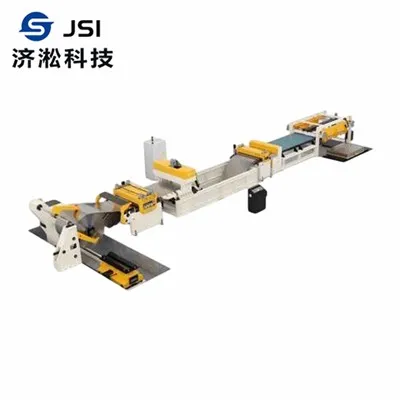
Ensuring the synchronization of different components in a cut to length line is crucial for the efficient and accurate operation of the entire system. As a supplier of cut to length lines, I understand the challenges and complexities involved in achieving this synchronization. In this blog post, I will share some insights and strategies on how to ensure the synchronization of different components in a cut to length line.
Understanding the Components of a Cut to Length Line
Before we delve into the synchronization strategies, it is essential to have a clear understanding of the main components of a cut to length line. A typical cut to length line consists of the following components:
- Uncoiler: This component is responsible for unwinding the coil of metal strip or sheet. It provides a continuous supply of material to the subsequent processes.
- Leveler: The leveler flattens the metal strip or sheet to remove any coil set or camber. This ensures that the material is straight and flat before cutting.
- Feeder: The feeder accurately feeds the flattened material into the cutting mechanism at a consistent speed. It controls the length of the material being fed for each cut.
- Cutting Mechanism: This can be a shear, a saw, or a laser cutter, depending on the type of material and the desired cut quality. The cutting mechanism cuts the material to the specified length.
- Stacker: The stacker collects the cut pieces and stacks them neatly for further processing or packaging.
Importance of Synchronization
Synchronization of these components is vital for several reasons:
- Accuracy: Synchronization ensures that the length of the cut pieces is consistent and accurate. Any misalignment or timing issue can result in pieces of incorrect length, leading to waste and rework.
- Efficiency: A synchronized cut to length line operates at optimal speed, minimizing downtime and maximizing productivity. When components are not synchronized, the line may have to slow down or stop, reducing overall efficiency.
- Quality: Proper synchronization helps maintain the quality of the cut pieces. It ensures that the cuts are clean, straight, and free from defects.
- Safety: Synchronized operation reduces the risk of accidents and injuries. For example, if the feeder and the cutting mechanism are not synchronized, there is a higher chance of the material getting jammed or the operator getting caught in the machinery.
Strategies for Ensuring Synchronization
1. Use of Advanced Control Systems
Modern cut to length lines are equipped with advanced control systems that can monitor and adjust the operation of each component in real-time. These control systems use sensors, actuators, and programmable logic controllers (PLCs) to ensure that all components are working in harmony.
- Sensor Technology: Sensors are used to measure various parameters such as the speed of the material, the position of the components, and the length of the cut pieces. For example, a speed sensor on the feeder can detect any changes in the feeding speed and send a signal to the control system to adjust the speed of other components accordingly.
- PLC Programming: PLCs are programmed to execute specific sequences of operations based on the input from the sensors. They can coordinate the movement of the uncoiler, leveler, feeder, and cutting mechanism to ensure synchronization. For instance, the PLC can ensure that the feeder stops feeding the material when the cutting mechanism is about to make a cut.
2. Regular Maintenance and Calibration
Regular maintenance and calibration of the components are essential for ensuring their proper functioning and synchronization.
- Lubrication: Moving parts such as bearings, gears, and chains need to be lubricated regularly to reduce friction and wear. This helps maintain the smooth operation of the components and prevents any mechanical issues that could affect synchronization.
- Alignment: Components such as the leveler and the feeder need to be properly aligned to ensure that the material is fed straight and evenly. Misaligned components can cause the material to deviate from its intended path, leading to synchronization problems.
- Calibration: The sensors and control systems need to be calibrated periodically to ensure accurate measurement and control. For example, the length sensor on the feeder may need to be calibrated to ensure that the correct length of material is being fed for each cut.
3. Operator Training
Well-trained operators play a crucial role in ensuring the synchronization of a cut to length line. Operators should be familiar with the operation and maintenance of the equipment and should be able to identify and troubleshoot any synchronization issues.
- Operation Training: Operators should be trained on how to start, stop, and adjust the operation of the cut to length line. They should understand the function of each component and how to operate the control system to ensure synchronization.
- Troubleshooting Training: Operators should be trained to identify common synchronization issues such as misaligned components, sensor malfunctions, and control system errors. They should know how to perform basic troubleshooting procedures to resolve these issues quickly.
4. Integration of Components
When designing a cut to length line, it is important to ensure that all components are compatible and can be integrated seamlessly. This includes mechanical, electrical, and software integration.
- Mechanical Integration: Components should be designed to fit together properly and to transmit power and motion efficiently. For example, the feeder should be mechanically compatible with the cutting mechanism to ensure smooth feeding of the material.
- Electrical Integration: The electrical systems of the components should be integrated to ensure proper communication and control. This includes the wiring, sensors, and actuators.
- Software Integration: The control software of the cut to length line should be able to communicate with all components and coordinate their operation. This requires a well-designed software architecture and proper programming.
Our Cut to Length Line Solutions
As a supplier of cut to length lines, we offer a range of high-quality products that are designed to ensure the synchronization of different components. Our cut to length lines are equipped with advanced control systems, high-quality sensors, and reliable components to ensure accurate and efficient operation.


- Fully Automatic Cutting Machine Production Line: This production line is fully automated and can be customized to meet the specific requirements of our customers. It is designed to ensure high-speed and accurate cutting of various materials.
- Hydraulic Metal Sheet Shearing Machine: Our hydraulic metal sheet shearing machine is a reliable and efficient cutting solution for metal sheets. It is equipped with advanced hydraulic systems and control technology to ensure precise cutting and synchronization with other components.
- High Speed Steel Cut To Length Machine Line: This machine line is specifically designed for cutting high-speed steel. It features high-speed feeding and cutting capabilities, ensuring fast and accurate production.
Conclusion
Ensuring the synchronization of different components in a cut to length line is essential for achieving high-quality, efficient, and safe operation. By using advanced control systems, performing regular maintenance and calibration, training operators, and integrating components properly, you can ensure that your cut to length line operates smoothly and effectively.
If you are interested in our cut to length line products or have any questions about synchronization or other aspects of cut to length line operation, please feel free to contact us for a consultation. We are committed to providing you with the best solutions for your cutting needs.
References
- "Cut to Length Line Technology and Applications" - Industry Report
- "Synchronization Strategies in Manufacturing Systems" - Academic Journal Article
- "Maintenance and Calibration of Industrial Equipment" - Technical Manual