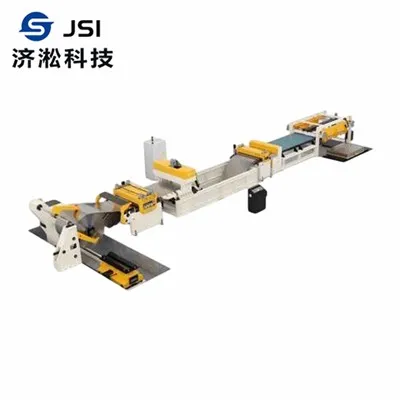
As a cut to length line supplier, I know how crucial it is to ensure the safety of operators when they're working with our equipment. We've been in the business for a while, and we've seen firsthand the importance of creating a safe working environment. Here are some key steps to make sure your operators stay safe when operating a cut to length line.
1. Operator Training
The first and most important step is proper training. No one should be allowed to operate a cut to length line without thorough training. Our team offers comprehensive training programs that cover everything from the basics of how the machine works to advanced troubleshooting.
During the training, we make sure operators understand all the safety features of the cut to length line. For example, our Coil Cut To Length Line has several safety mechanisms in place, like emergency stop buttons and safety guards. Operators need to know exactly where these are and how to use them in case of an emergency.
We also teach operators about the correct operating procedures. This includes how to load and unload coils, how to set the cutting length, and how to maintain the machine. By following these procedures, operators can minimize the risk of accidents.
2. Machine Maintenance
Regular maintenance is essential for the safe operation of a cut to length line. A well - maintained machine is not only more efficient but also safer to use. We recommend a preventive maintenance schedule that includes daily, weekly, monthly, and annual checks.


Daily checks should include inspecting the safety guards to make sure they're in place and in good condition. Operators should also check for any loose parts or abnormal noises during the start - up of the machine. Weekly checks can focus on the lubrication of moving parts. Proper lubrication reduces friction and wear, which can prevent breakdowns and potential safety hazards.
Monthly and annual maintenance should be carried out by trained technicians. They can perform more in - depth inspections, such as checking the electrical systems and the hydraulic components of the Multi - function Cutting Line. By keeping the machine in top - notch condition, we can ensure that it operates safely at all times.
3. Safety Equipment
Providing the right safety equipment is a must. Operators should always wear personal protective equipment (PPE) when working with a cut to length line. This includes safety glasses, ear protection, and steel - toed boots. Safety glasses protect the eyes from flying debris, while ear protection reduces the risk of hearing damage from the loud noise generated by the machine.
In addition to PPE, we also recommend installing additional safety equipment around the cut to length line. For example, safety curtains can be installed to prevent accidental contact with moving parts. These curtains are made of a special material that can detect when someone is too close to the machine and will trigger an emergency stop.
For larger 1500mm Cut To Length Lines, we might suggest installing light curtains. These use infrared beams to create a safety barrier. If the beam is interrupted, the machine will stop immediately.
4. Safety Signage
Clear safety signage is another important aspect of ensuring operator safety. Signs should be placed around the cut to length line to indicate potential hazards, such as high - voltage areas or areas where safety equipment is required.
We recommend using easy - to - understand symbols and colors on the signs. For example, red signs can be used for warning signs, while green signs can indicate safety equipment locations. By making the signage clear and visible, operators are more likely to follow the safety rules.
5. Risk Assessment
Regular risk assessments are necessary to identify any new or emerging safety risks. As the technology and working environment change, new hazards may appear. Our team can help conduct risk assessments for your cut to length line operations.
During a risk assessment, we look at all aspects of the operation, including the layout of the workspace, the actions of the operators, and the condition of the machine. We then develop a plan to mitigate any identified risks. For example, if the risk assessment shows that operators are at risk of tripping over cables, we might recommend re - routing the cables or installing cable covers.
6. Emergency Response Plan
Having an emergency response plan in place is crucial. In case of an accident, operators need to know exactly what to do. The emergency response plan should include procedures for dealing with different types of accidents, such as fires, electrical shocks, or injuries caused by the machine.
We recommend conducting regular emergency drills so that operators are familiar with the plan. During the drills, operators can practice using the emergency stop buttons and evacuating the area safely. By having a well - rehearsed emergency response plan, the impact of an accident can be minimized.
7. Continuous Monitoring and Improvement
Safety is not a one - time thing. We need to continuously monitor the safety of the cut to length line operations and make improvements as needed. This can involve collecting feedback from operators, analyzing accident data, and staying up - to - date with the latest safety technologies.
For example, if operators report that a certain safety feature is not working well, we can investigate and make the necessary adjustments. Or, if new safety technologies become available, we can evaluate whether they can be integrated into our cut to length lines to enhance safety.
In conclusion, ensuring the safety of operators when operating a cut to length line requires a multi - faceted approach. By providing proper training, maintaining the machine, supplying safety equipment, using clear signage, conducting risk assessments, having an emergency response plan, and continuously improving the safety measures, we can create a safer working environment for everyone.
If you're interested in our cut to length lines or want to discuss more about safety measures for your operations, feel free to reach out to us. We're here to help you make the best decisions for your business.
References
- Industry standards for metal processing equipment safety
- Best practices in machinery maintenance and operator training