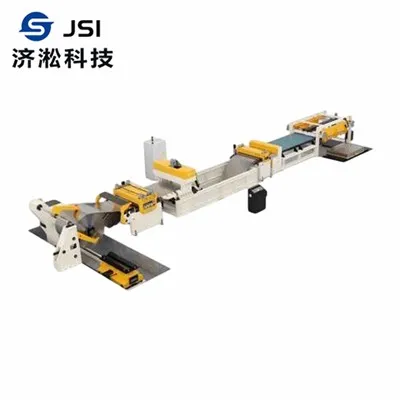
Hey there! As a decoiler supplier, I know firsthand how crucial it is to ensure the safety of operating a decoiler. Decoilers are essential pieces of equipment in various industries, from metalworking to packaging. They help unwind coils of materials like steel, aluminum, and plastic, making the production process more efficient. But if not operated safely, they can pose significant risks to workers. So, let's dive into some key tips on how to keep everyone safe when using a decoiler.
1. Training and Education
First things first, proper training is non - negotiable. Every operator who will be using the decoiler should receive comprehensive training. This training should cover everything from the basic functions of the decoiler to emergency procedures.
When I'm dealing with customers, I always emphasize that a well - trained operator is the first line of defense against accidents. They need to understand how to start and stop the machine correctly, how to adjust the tension of the coil, and how to load and unload materials safely.
For example, if an operator doesn't know how to set the right tension, it could lead to the coil unwinding too quickly or getting stuck, which can cause the material to snap or the machine to malfunction. We offer on - site training for our customers, so they can get hands - on experience with our Double Head Decoiler, Hydraulic Decoiler Machine, or Manual Decoiler Machine.
2. Machine Inspection
Regular machine inspections are a must. Before each use, the operator should conduct a quick visual inspection of the decoiler. Check for any loose parts, damaged wires, or signs of wear and tear.
For instance, if a belt on the decoiler is frayed, it could break during operation, causing the machine to stop suddenly or even causing an injury. We recommend that our customers follow a detailed inspection checklist, which we provide with every machine we sell.
In addition to daily inspections, a more in - depth inspection should be carried out periodically by a qualified technician. This can help identify potential problems before they turn into major issues.
3. Safety Guards and Devices
Safety guards are your best friends when it comes to operating a decoiler. Make sure all the safety guards are in place and in good working condition. These guards are designed to prevent operators from coming into contact with moving parts, such as the rollers or the coil.
For example, if a guard is missing or damaged, an operator's hand could get caught in the machine, leading to serious injury. We equip all our decoilers with high - quality safety guards and emergency stop buttons. The emergency stop button should be easily accessible and clearly marked. In case of an emergency, the operator can quickly press the button to stop the machine.
4. Proper Coil Handling
Coil handling is another area where safety is critical. When loading and unloading coils, use the right equipment, such as a crane or a forklift. Make sure the coil is properly centered on the decoiler to prevent it from slipping or falling.
If a coil is not loaded correctly, it can cause the decoiler to become unbalanced, which can lead to the machine tipping over. Also, be careful when handling heavy coils, as they can cause back injuries if not lifted properly.


5. Workplace Organization
A well - organized workplace is a safe workplace. Keep the area around the decoiler clean and free of clutter. Remove any debris or tools that could cause someone to trip or fall.
Make sure there is enough space for the operator to move around the machine safely. If the area is too crowded, it can be difficult for the operator to react quickly in case of an emergency.
6. Maintenance and Repairs
Regular maintenance is essential to keep the decoiler running smoothly and safely. Follow the manufacturer's maintenance schedule, which usually includes tasks like lubricating moving parts, checking the electrical system, and tightening bolts.
If you notice any problems with the decoiler, don't try to fix it yourself unless you are qualified to do so. Contact a professional technician immediately. Ignoring a small problem can lead to a major breakdown or accident.
7. Operator Awareness
Operators should always be aware of their surroundings. They should not be distracted while operating the decoiler. Avoid using mobile phones or engaging in other activities that could take their attention away from the machine.
Also, make sure operators are wearing the appropriate personal protective equipment (PPE), such as safety glasses, gloves, and steel - toed boots. PPE can help reduce the risk of injury in case of an accident.
8. Emergency Preparedness
Have an emergency plan in place. This plan should include procedures for dealing with different types of emergencies, such as fires, machine malfunctions, or injuries.
Make sure all operators are familiar with the emergency plan and know where to find the emergency equipment, such as fire extinguishers and first - aid kits. Regularly conduct emergency drills to ensure that everyone knows what to do in case of an emergency.
If you're in the market for a reliable and safe decoiler, look no further. We've been in the business for years, and we know what it takes to provide high - quality decoilers that meet the highest safety standards. Whether you need a Double Head Decoiler, Hydraulic Decoiler Machine, or Manual Decoiler Machine, we've got you covered.
If you have any questions or want to discuss your specific requirements, feel free to reach out. We're here to help you make the right choice for your business and ensure that you can operate your decoiler safely and efficiently.
References
- Industrial Safety Handbook: This handbook provides general guidelines on safety in industrial settings, including machine operation.
- Decoiler Manufacturer's Manuals: The manuals for our decoilers contain detailed information on operation, maintenance, and safety.