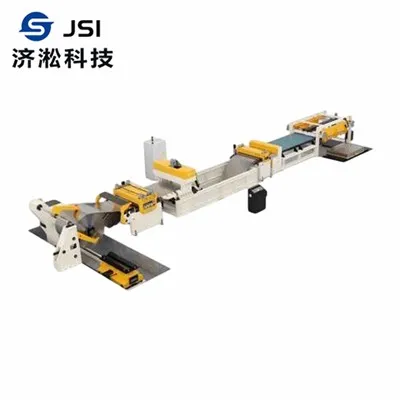
When it comes to industrial operations, selecting the right mechanical feeder is crucial for ensuring smooth, efficient, and cost - effective production processes. As a mechanical feeder supplier, I understand the challenges that businesses face in making this important decision. In this blog post, I'll guide you through the key factors to consider when choosing a mechanical feeder for your specific application.
1. Understanding Your Application Requirements
The first step in choosing the right mechanical feeder is to have a clear understanding of your application. What type of materials will the feeder handle? Is it small parts, large sheets, or something in between? For instance, if you're dealing with high - volume production of small components, a High Speed Gear Feeder might be the ideal choice. These feeders are designed to handle a large number of small parts at high speeds, ensuring a continuous flow of materials to your production line.
On the other hand, if you're working with medium - sized sheets, a Medium Sheet Mechanical Feeder would be more suitable. These feeders are engineered to handle the unique requirements of medium - sized sheets, such as proper alignment and gentle handling to prevent damage.
2. Feeding Capacity
Feeding capacity is another critical factor. You need to determine how much material the feeder needs to handle per unit of time. This is often measured in terms of parts per minute or weight per hour. Consider your production volume goals. If you have a high - volume production line, you'll need a feeder with a high feeding capacity. For example, in a power press application where multiple parts are stamped out in quick succession, a Mechanical Feeder for Power Press with a high feeding rate is essential to keep up with the press's speed.
3. Material Characteristics
The physical and mechanical properties of the materials you're feeding play a significant role in feeder selection. Factors such as material shape, size, weight, surface finish, and hardness can all impact the performance of the feeder. For example, if you're feeding irregularly shaped parts, the feeder needs to be able to handle them without jamming. Soft or delicate materials may require a feeder with a gentle feeding mechanism to prevent damage.


4. Precision and Accuracy
In many applications, precision and accuracy are of utmost importance. For example, in the electronics industry, where components are very small and require precise placement, the feeder needs to be able to position the parts accurately. Look for feeders that offer high - precision feeding mechanisms, such as servo - driven systems, which can provide accurate control over the feeding process.
5. Compatibility with Existing Equipment
It's important to ensure that the mechanical feeder you choose is compatible with your existing production equipment. This includes factors such as the feeder's mounting options, connection interfaces, and control systems. A feeder that can be easily integrated into your existing production line will save you time and money on installation and setup.
6. Maintenance and Durability
A mechanical feeder is a long - term investment, so you want to choose one that is easy to maintain and built to last. Look for feeders with simple and accessible designs, which make it easier to perform routine maintenance tasks such as cleaning, lubrication, and part replacement. High - quality materials and robust construction are also indicators of a durable feeder that can withstand the rigors of continuous operation.
7. Cost - Effectiveness
While cost is always a consideration, it's important to look beyond the initial purchase price. Consider the total cost of ownership, which includes factors such as energy consumption, maintenance costs, and the cost of spare parts. A more expensive feeder with lower energy consumption and longer service life may actually be more cost - effective in the long run.
8. Safety Features
Safety should never be overlooked. Ensure that the mechanical feeder you choose is equipped with appropriate safety features, such as emergency stop buttons, safety guards, and overload protection. These features not only protect your operators but also prevent damage to the feeder and other equipment in case of an emergency.
9. Technical Support and Service
As a mechanical feeder supplier, I know that having reliable technical support and service is essential. Look for a supplier who offers comprehensive technical support, including installation assistance, training, and troubleshooting. A supplier with a good reputation for after - sales service can help you keep your feeder running smoothly and minimize downtime.
Conclusion
Choosing the right mechanical feeder for your application is a complex decision that requires careful consideration of multiple factors. By understanding your application requirements, considering feeding capacity, material characteristics, precision, compatibility, maintenance, cost - effectiveness, safety, and technical support, you can make an informed choice.
If you're still unsure which mechanical feeder is right for your specific needs, I encourage you to reach out to us. Our team of experts is here to help you evaluate your options and select the best feeder for your application. We can provide detailed product information, offer customized solutions, and assist you throughout the purchasing process. Contact us today to start the conversation and take your production process to the next level.
References
- Industry standards and guidelines for mechanical feeders
- Manufacturer's product specifications and technical documents
- Case studies and whitepapers on mechanical feeder applications