Hey there! As a supplier of coil straighteners, I often get asked about whether there are any environmental requirements for using these machines. Well, let's dive right into it and explore this topic in detail.
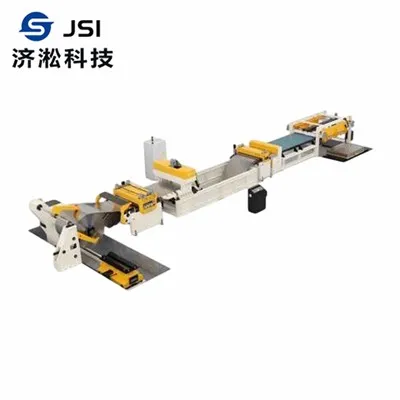
First off, let's understand what a coil straightener does. A coil straightener is a crucial piece of equipment in many industries, especially those dealing with metal coils. It's used to straighten out coiled metal sheets or strips, making them ready for further processing like cutting, stamping, or welding. We offer a variety of coil straighteners, such as the Straightener-top Flip Up, Thick Sheet Straightener, and Coil Stock Straightener. Each type is designed to meet different needs and specifications.
Now, onto the environmental requirements. One of the most important aspects is the temperature and humidity of the working environment. Coil straighteners are mechanical devices with moving parts, and extreme temperatures can have a significant impact on their performance. High temperatures can cause the lubricants in the machine to break down faster, leading to increased friction and wear on the components. This not only reduces the lifespan of the machine but also affects the quality of the straightened coils. On the other hand, low temperatures can make the metal parts more brittle, increasing the risk of cracks and fractures.
As for humidity, excessive moisture in the air can lead to corrosion of the metal parts of the coil straightener. This is especially true for machines that are made of steel or other ferrous metals. Corrosion can weaken the structural integrity of the machine, making it less reliable and potentially dangerous to operate. To prevent this, it's recommended to keep the humidity level in the working area between 40% and 60%.
Another environmental factor to consider is the presence of dust and debris. In industrial settings, there's often a lot of dust and small particles floating in the air. These can find their way into the moving parts of the coil straightener, causing abrasion and damage. For example, dust can get into the bearings and gears, leading to increased noise, vibration, and reduced efficiency. To minimize the impact of dust, it's a good idea to have proper ventilation systems in place and to regularly clean the machine.
The location of the coil straightener also matters. It should be placed on a stable and level surface. Uneven ground can cause the machine to vibrate excessively during operation, which not only affects the straightening quality but also puts additional stress on the components. Moreover, the machine should be installed in an area where it has enough space for easy access and maintenance. This includes having enough clearance around the machine for operators to move freely and for tools and equipment to be stored.
In addition to the physical environment, the electrical environment is also crucial. Coil straighteners are powered by electricity, and unstable power supply can cause all sorts of problems. Voltage fluctuations can damage the electrical components of the machine, such as the motors and control systems. To ensure a stable power supply, it's advisable to use a voltage stabilizer or an uninterruptible power supply (UPS).
Now, let's talk about the environmental impact of using a coil straightener. These machines consume energy, mainly in the form of electricity. To reduce energy consumption and minimize the environmental footprint, it's important to choose a coil straightener that is energy-efficient. Many modern coil straighteners are designed with advanced technologies that optimize energy usage. For example, some models use variable frequency drives (VFDs) to adjust the motor speed according to the load, which can significantly reduce energy consumption.
Another way to reduce the environmental impact is to properly maintain the coil straightener. Regular maintenance not only ensures the machine operates at its best but also helps to extend its lifespan. This means fewer machines need to be manufactured and disposed of over time, which is better for the environment.
So, to sum it up, there are indeed several environmental requirements for using a coil straightener. By paying attention to the temperature, humidity, dust levels, location, and electrical environment, you can ensure the machine operates efficiently and reliably. And by choosing an energy-efficient model and maintaining it properly, you can also reduce the environmental impact.
If you're in the market for a coil straightener, we've got you covered. Our range of coil straighteners is designed to meet the highest standards of quality and performance. Whether you need a Straightener-top Flip Up, a Thick Sheet Straightener, or a Coil Stock Straightener, we have the right solution for you. Don't hesitate to reach out if you have any questions or if you're interested in a purchase. We're here to help you make the best decision for your business.


References
- General industrial machinery operation and maintenance guidelines.
- Research on the impact of environmental factors on mechanical equipment performance.