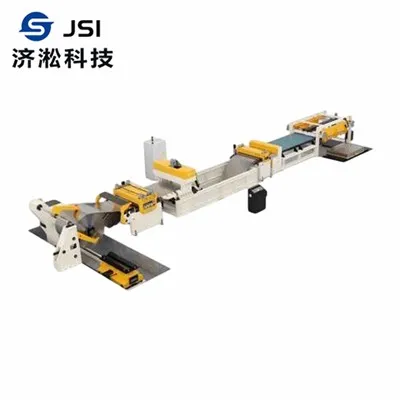
What is the learning curve for operating High Speed Gear Feeder?
As a supplier of High Speed Gear Feeders, I've witnessed firsthand the diverse experiences of operators as they navigate the learning process. The learning curve for operating a High Speed Gear Feeder is a multifaceted journey that encompasses technical knowledge, practical skills, and an understanding of the machinery's capabilities.
Initial Familiarization
When a new operator first encounters a High Speed Gear Feeder, the initial phase is all about getting acquainted with the machine's physical components and basic functions. The High Speed Gear Feeder is a precision instrument designed to deliver materials at high speeds with accuracy. Operators need to learn about the feeder's control panel, which typically includes buttons, switches, and a display screen. Understanding how to power on the machine, set basic parameters such as feed length and speed, and perform simple diagnostic checks is crucial.
This initial familiarization stage usually takes a few hours to a couple of days, depending on the operator's prior experience with similar machinery. For those with a background in mechanical engineering or experience operating other types of feeders, the learning process may be quicker. However, even for novice operators, with the right training materials and guidance, they can gain a basic understanding of the machine's operation relatively fast.
Technical Knowledge Acquisition
Beyond the basic operation, operators need to delve into the technical aspects of the High Speed Gear Feeder. This includes understanding the principles of gear-driven feeding systems, how the gears interact to transfer power and motion, and the factors that affect the feeder's performance. Knowledge of mechanical engineering concepts such as torque, speed ratios, and gear meshing is essential for troubleshooting and optimizing the machine's operation.
For instance, if the feeder is experiencing inconsistent feeding, an operator with a good understanding of gear mechanics can analyze whether the issue is due to worn gears, improper lubrication, or incorrect gear alignment. To acquire this technical knowledge, operators can refer to the machine's user manual, attend training courses provided by the manufacturer, or engage in online learning resources. This stage of the learning curve can take several weeks to months, as it requires a deep understanding of complex mechanical concepts.
Practical Skills Development
Operating a High Speed Gear Feeder is not just about theoretical knowledge; practical skills are equally important. Operators need to learn how to load materials onto the feeder correctly, adjust the feeding guides to ensure proper alignment, and monitor the feeding process to detect any potential issues. They also need to be proficient in performing routine maintenance tasks such as cleaning, lubricating, and inspecting the machine.
Practical skills are best developed through hands-on experience. Operators should practice loading different types of materials, adjusting the feeder settings for various production requirements, and performing maintenance tasks under the supervision of an experienced operator or technician. This practical training phase can take several weeks to months, depending on the operator's ability to apply the theoretical knowledge they've acquired.
Optimization and Troubleshooting
Once operators have mastered the basic operation and practical skills, they can move on to the optimization and troubleshooting stage. This involves fine-tuning the feeder's settings to achieve the highest possible productivity and quality. Operators need to understand how to adjust the feed speed, length, and pressure to match the specific requirements of the production process. They also need to be able to identify and resolve common issues such as material jams, feeding errors, and mechanical failures.
Optimization requires a combination of technical knowledge, practical experience, and problem-solving skills. For example, if the feeder is producing parts with inconsistent dimensions, an operator can use their understanding of the machine's operation to adjust the feed length and speed, and then monitor the results to see if the issue is resolved. Troubleshooting, on the other hand, involves diagnosing the root cause of a problem and implementing the appropriate solution. This may require disassembling parts of the machine, inspecting components for damage, and making repairs or replacements as needed.
This stage of the learning curve can take months to years to fully master, as it requires continuous learning and experience. Operators need to stay updated with the latest advancements in High Speed Gear Feeder technology and be able to adapt to new production requirements and challenges.
Factors Affecting the Learning Curve
Several factors can influence the learning curve for operating a High Speed Gear Feeder. One of the most significant factors is the quality of training provided. A comprehensive training program that includes both theoretical and practical components can significantly reduce the learning time. The manufacturer's support, in the form of technical assistance and training resources, also plays a crucial role.
Another factor is the operator's motivation and attitude towards learning. Operators who are eager to learn and willing to invest time and effort in mastering the machine's operation are likely to progress faster than those who are less motivated. Additionally, the complexity of the production requirements can also affect the learning curve. If the feeder is used for a wide range of materials and production processes, operators may need more time to learn how to optimize the machine's performance for each specific application.


Conclusion
The learning curve for operating a High Speed Gear Feeder is a long and challenging journey that requires a combination of technical knowledge, practical skills, and problem-solving abilities. From the initial familiarization to the advanced optimization and troubleshooting stages, operators need to continuously learn and adapt to the machine's operation. However, with the right training, support, and motivation, operators can master the operation of the High Speed Gear Feeder and achieve high levels of productivity and quality.
If you're interested in learning more about our High Speed Gear Feeder or other types of feeders such as the Mechanical Feeder for Power Press and Thin Sheet Mechanical Feeder, we're here to assist you. Our team of experts can provide you with detailed information, training resources, and support to help you make the most of our products. Contact us today to start a conversation about your feeding needs and how we can help you achieve your production goals.
References
- Manufacturer's user manual for High Speed Gear Feeder
- Online resources on mechanical engineering and gear-driven feeding systems
- Training courses provided by the manufacturer