

As a seasoned supplier of transfer presses, I've witnessed firsthand the critical role that effective heat dissipation plays in the performance and longevity of these machines. Transfer presses are workhorses in various industries, from automotive to electronics, where they are used to transfer materials and perform complex forming operations. However, the high levels of mechanical stress and friction generated during operation can lead to significant heat buildup, which, if not properly managed, can cause a range of problems, including reduced efficiency, premature wear and tear, and even equipment failure.
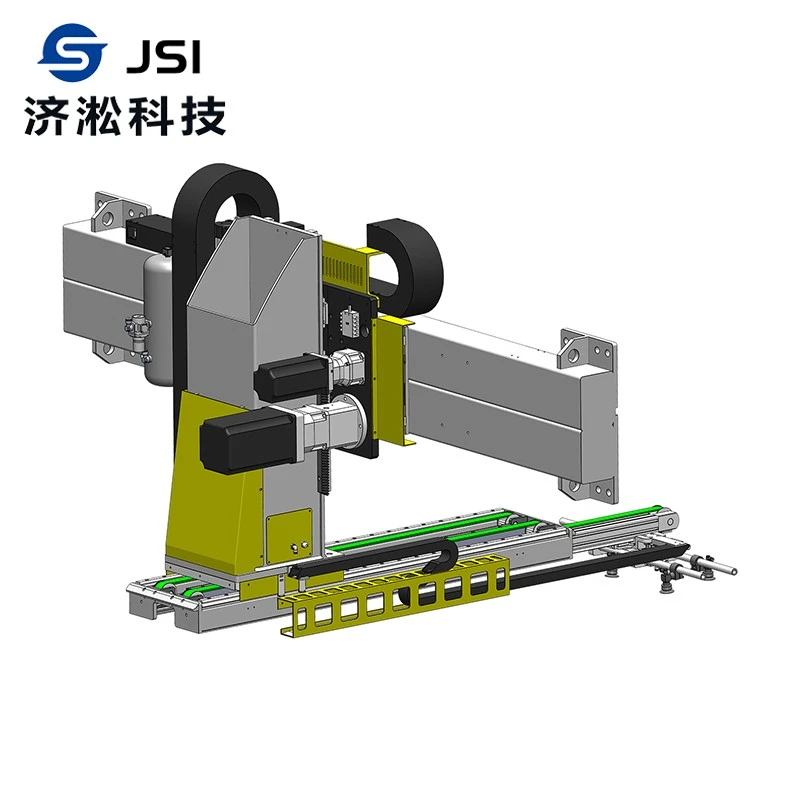

In this blog post, I'll explore the different heat dissipation methods available for transfer presses, discussing their advantages, disadvantages, and suitability for various applications. By understanding these methods, you'll be better equipped to make informed decisions about the best heat management strategy for your transfer press, ensuring optimal performance and reliability.
1. Air Cooling
Air cooling is one of the most common and straightforward heat dissipation methods for transfer presses. It works by using fans or blowers to circulate air over the hot components of the press, carrying away heat and dissipating it into the surrounding environment. There are two main types of air cooling systems: natural convection and forced convection.
Natural Convection
Natural convection air cooling relies on the natural movement of air due to temperature differences. As the hot components of the transfer press heat up the surrounding air, the air becomes less dense and rises, creating a natural airflow that carries the heat away. This method is simple, cost-effective, and requires no additional power source. However, it is also relatively inefficient, as the rate of heat transfer is limited by the natural airflow. Natural convection is typically suitable for small to medium-sized transfer presses with relatively low heat generation.
Forced Convection
Forced convection air cooling uses fans or blowers to increase the airflow over the hot components of the press, enhancing the rate of heat transfer. This method is more efficient than natural convection and can be used for larger transfer presses with higher heat generation. Forced convection air cooling systems can be designed to direct the airflow precisely where it is needed, ensuring effective heat dissipation. However, they do require an additional power source and can generate noise, which may be a concern in some environments.
2. Liquid Cooling
Liquid cooling is a more advanced and efficient heat dissipation method that uses a liquid coolant, such as water or a coolant mixture, to absorb and carry away heat from the transfer press. There are two main types of liquid cooling systems: direct liquid cooling and indirect liquid cooling.
Direct Liquid Cooling
Direct liquid cooling involves circulating the coolant directly over the hot components of the transfer press, such as the hydraulic cylinders or the electrical motors. This method provides the most efficient heat transfer, as the coolant is in direct contact with the heat source. Direct liquid cooling systems can be designed to use a closed-loop system, where the coolant is continuously circulated and cooled using a heat exchanger, or an open-loop system, where the coolant is discharged after use. However, direct liquid cooling systems require a more complex design and maintenance, as the coolant needs to be carefully monitored and maintained to prevent corrosion and other issues.
Indirect Liquid Cooling
Indirect liquid cooling uses a heat exchanger to transfer heat from the hot components of the transfer press to the coolant. The coolant is then circulated through a separate cooling system, such as a radiator or a chiller, to dissipate the heat. This method is less efficient than direct liquid cooling but is also less complex and easier to maintain. Indirect liquid cooling systems are typically used for larger transfer presses with high heat generation, where the direct contact between the coolant and the hot components may not be practical or desirable.
3. Heat Pipes
Heat pipes are a passive heat transfer device that can be used to dissipate heat from the transfer press. They consist of a sealed tube filled with a working fluid, such as water or a refrigerant. One end of the heat pipe is placed in contact with the hot component of the press, while the other end is placed in a cooler area. As the heat from the hot component is transferred to the working fluid, it evaporates and rises to the cooler end of the heat pipe, where it condenses and releases the heat. The condensed fluid then flows back to the hot end of the heat pipe by gravity or capillary action, completing the cycle.
Heat pipes are highly efficient at transferring heat, as they can transfer large amounts of heat with a relatively small temperature difference. They are also compact, lightweight, and require no additional power source, making them an ideal solution for transfer presses with limited space or where power consumption is a concern. However, heat pipes can be relatively expensive and may require a more complex design and installation process.
4. Thermal Insulation
Thermal insulation is not a heat dissipation method in the traditional sense, but it can play an important role in managing the heat generated by the transfer press. By insulating the hot components of the press, such as the hydraulic cylinders or the electrical cabinets, the amount of heat transferred to the surrounding environment can be reduced, improving the efficiency of the heat dissipation system.
Thermal insulation materials can be made from a variety of materials, such as fiberglass, foam, or ceramic. They are typically installed around the hot components of the press using adhesives or mechanical fasteners. The choice of insulation material depends on the specific application and the temperature range of the hot components.
Choosing the Right Heat Dissipation Method
The choice of heat dissipation method for a transfer press depends on several factors, including the size and type of the press, the heat generation rate, the operating environment, and the budget. Here are some general guidelines to help you choose the right heat dissipation method for your transfer press:
- Small to Medium-Sized Presses with Low Heat Generation: For small to medium-sized transfer presses with relatively low heat generation, air cooling, either natural or forced convection, may be sufficient. These methods are simple, cost-effective, and require minimal maintenance.
- Large Presses with High Heat Generation: For larger transfer presses with high heat generation, liquid cooling, either direct or indirect, is typically the preferred method. Liquid cooling systems are more efficient at dissipating heat and can handle higher heat loads. However, they are also more complex and expensive to install and maintain.
- Presses with Limited Space or Power Consumption Concerns: For transfer presses with limited space or where power consumption is a concern, heat pipes may be a good option. Heat pipes are compact, lightweight, and require no additional power source, making them ideal for these applications.
- Presses in Harsh Environments: For transfer presses operating in harsh environments, such as high temperatures or dusty conditions, thermal insulation may be necessary to protect the components from heat and damage. Thermal insulation can also improve the efficiency of the heat dissipation system by reducing the amount of heat transferred to the surrounding environment.
Conclusion
Effective heat dissipation is essential for the performance and longevity of transfer presses. By understanding the different heat dissipation methods available and choosing the right method for your specific application, you can ensure that your transfer press operates at optimal efficiency and reliability.
As a transfer press supplier, we offer a range of heat dissipation solutions to meet the needs of our customers. Whether you need an air cooling system, a liquid cooling system, heat pipes, or thermal insulation, we can provide you with the expertise and products you need to keep your transfer press running smoothly.
If you're interested in learning more about our transfer presses or our heat dissipation solutions, please don't hesitate to contact us. We'd be happy to discuss your specific requirements and help you find the best solution for your needs.
References
- ASM Handbook, Volume 11: Failure Analysis and Prevention, ASM International, 2002.
- Heat Transfer Handbook, McGraw-Hill Education, 2006.
- Thermal Management of Electronic Systems, John Wiley & Sons, 2010.
