Hey there! As a supplier of slitting lines, I've seen firsthand how crucial it is to have well - trained operators. A slitting line is a complex piece of machinery, and getting the most out of it depends a great deal on the skills of the people running it. So, today, I'm gonna share some tips on how to train operators for a slitting line.
Understanding the Basics
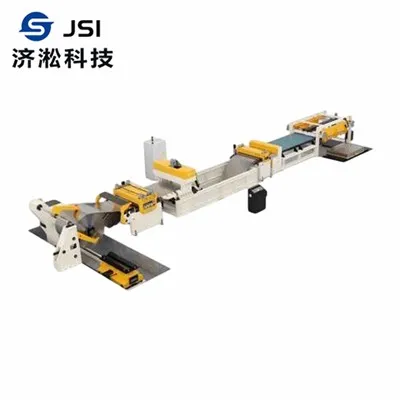
First off, operators need to have a solid grasp of the slitting line itself. This means learning about its different components and how they work together. A slitting line typically consists of an uncoiler, a slitting section, and a recoiler. The uncoiler holds the large coil of material, the slitting section cuts the coil into narrower strips, and the recoiler winds up the newly slit strips.
When training operators, start with a hands - on tour of the machine. Show them each part, explain its function, and let them touch and feel it. This kind of tactile learning can really help them understand how everything fits together. You can also use diagrams and manuals to reinforce the knowledge. For example, if you're showing them the slitting section, point out the circular blades and explain how they're adjusted to cut different widths.
Safety First
Safety is non - negotiable when it comes to operating a slitting line. The machine has sharp blades, moving parts, and can handle heavy coils. So, operators need to be well - versed in safety procedures from day one.
Begin the training with a comprehensive safety briefing. Teach them about personal protective equipment (PPE), like safety glasses, gloves, and steel - toed boots. Make sure they know how to properly lock out and tag out the machine before performing any maintenance or cleaning. Also, show them the emergency stop buttons and explain when and how to use them.


It's a good idea to have regular safety drills. For instance, simulate an emergency situation where an operator has to quickly stop the machine. This hands - on practice will help them react correctly in a real - life scenario.
Operating the Machine
Once operators understand the basics and safety protocols, it's time to teach them how to actually operate the slitting line. Start with the startup process. Walk them through how to load the coil onto the uncoiler, how to thread the material through the slitting section, and how to start the recoiler.
When it comes to setting up the slitting parameters, this is where things get a bit more technical. Operators need to know how to adjust the blade spacing to get the desired strip width. They also need to understand how to set the speed of the machine based on the material being slit. For example, different materials like steel, aluminum, or copper may require different speeds and blade pressures.
You can use our High Speed Slitting Line as an example during the training. Explain how its advanced features allow for precise control of the slitting process, and how operators can take advantage of these features to improve efficiency.
Troubleshooting
Even the best - maintained slitting lines can run into problems. That's why it's essential to train operators in troubleshooting. Teach them how to identify common issues like blade dullness, misaligned strips, or problems with the recoiler tension.
For blade dullness, show them how to check the blade edges for signs of wear. If the blades are dull, they'll need to know how to replace them safely. When it comes to misaligned strips, teach them how to adjust the guides and rollers to get the strips back on track.
Using real - life examples can be very effective in troubleshooting training. Share stories about past issues you've encountered with the slitting line and how they were resolved. This will give operators a better understanding of how to approach problems in the field.
Quality Control
Quality control is a key aspect of operating a slitting line. Operators need to be able to ensure that the slit strips meet the required specifications. This means checking for things like strip width, edge quality, and surface finish.
Train operators on how to use measuring tools like calipers and micrometers to check the strip width. Teach them what to look for in terms of edge quality, such as burrs or rough edges. And show them how to inspect the surface finish for any scratches or marks.
Our Non - ferrous Metal Slitting Lines are designed to produce high - quality slit strips for non - ferrous metals. During the training, you can explain how the unique features of these lines contribute to better quality control and how operators can make the most of them.
Maintenance
Regular maintenance is crucial for keeping the slitting line running smoothly. Train operators on basic maintenance tasks like cleaning the machine, lubricating the moving parts, and checking for loose bolts.
Show them how to clean the blades and the slitting section to prevent the buildup of debris. Explain the importance of using the right lubricants and how often to apply them. And teach them how to visually inspect the machine for any signs of wear or damage.
For more complex maintenance tasks, like blade replacement or major component repairs, make sure operators know when to call in a professional. But having a basic understanding of maintenance will help them catch small issues before they turn into big problems.
Advanced Training
Once operators have mastered the basics, you can offer advanced training. This could include learning how to operate our Fully Automatic Slitting Line. These lines have more advanced features like automated blade adjustment and real - time monitoring.
Advanced training can also cover topics like process optimization. Teach operators how to analyze production data to identify areas where the slitting line can be made more efficient. For example, they can learn how to adjust the slitting speed and blade pressure to reduce waste and increase throughput.
Continuous Learning
Training doesn't stop after the initial sessions. Encourage operators to keep learning and improving their skills. You can organize regular refresher courses to go over safety procedures, new operating techniques, and any updates to the machine.
Also, create a culture of knowledge sharing within the team. Encourage operators to share their experiences and tips with each other. This can lead to better problem - solving and continuous improvement of the slitting line operations.
Conclusion
Training operators for a slitting line is a multi - faceted process. It involves teaching them the basics of the machine, safety procedures, operating skills, troubleshooting, quality control, maintenance, and offering advanced training. By investing in comprehensive training, you'll not only ensure the safe and efficient operation of the slitting line but also improve the overall productivity of your business.
If you're in the market for a slitting line or need more information on training your operators, don't hesitate to reach out. We're here to help you make the most of your slitting line investment.
References
- Industry best practices for slitting line operation and maintenance
- Manufacturer's manuals for slitting line equipment
- Safety guidelines from relevant industry standards organizations