

Ensuring the stability of a High Speed Blanking Line during operation is crucial for any manufacturing process that relies on precision and efficiency. As a leading supplier of High Speed Blanking Line, I have witnessed firsthand the challenges that manufacturers face in maintaining the stability of these complex systems. In this blog post, I will share some insights and best practices that can help you ensure the smooth and reliable operation of your High Speed Blanking Line.
Understanding the Basics of High Speed Blanking Lines
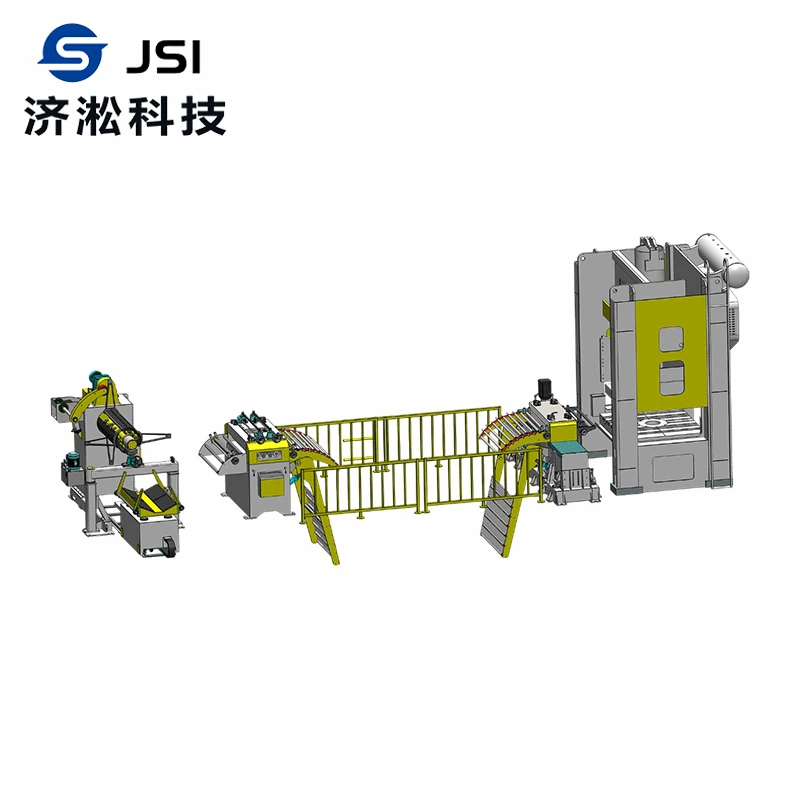
Before delving into the strategies for ensuring stability, it's important to understand the basic components and functions of a High Speed Blanking Line. These lines are designed to cut metal sheets into precise shapes and sizes at high speeds, typically ranging from 100 to 1000 strokes per minute. The key components of a High Speed Blanking Line include a coil feeder, a press, a die, and a conveyor system.
The coil feeder is responsible for feeding the metal coil into the press at a consistent speed. The press applies a high force to the metal sheet using a die, which cuts the sheet into the desired shape. The conveyor system then transports the cut parts out of the press and into the next stage of the manufacturing process.
Factors Affecting the Stability of High Speed Blanking Lines
Several factors can affect the stability of a High Speed Blanking Line during operation. These include:
- Mechanical Wear and Tear: Over time, the components of a High Speed Blanking Line can experience wear and tear, which can lead to misalignment, vibration, and other issues that affect stability.
- Material Variations: The quality and consistency of the metal sheets being processed can vary, which can affect the cutting process and lead to instability.
- Environmental Conditions: Temperature, humidity, and other environmental factors can affect the performance of a High Speed Blanking Line. For example, high temperatures can cause the metal to expand, which can affect the accuracy of the cutting process.
- Operator Error: Incorrect operation of the High Speed Blanking Line, such as improper setup or maintenance, can also lead to instability.
Strategies for Ensuring Stability
To ensure the stability of a High Speed Blanking Line during operation, it's important to implement a comprehensive maintenance and monitoring program. Here are some strategies that can help:
- Regular Maintenance: Schedule regular maintenance checks to inspect the components of the High Speed Blanking Line for wear and tear. Replace any worn or damaged parts as soon as possible to prevent further damage and ensure the stability of the system.
- Quality Control: Implement a quality control program to ensure the consistency and quality of the metal sheets being processed. This can include testing the material for thickness, hardness, and other properties before it is fed into the High Speed Blanking Line.
- Environmental Control: Maintain a stable environment around the High Speed Blanking Line by controlling the temperature, humidity, and other environmental factors. This can help prevent thermal expansion and other issues that can affect the stability of the system.
- Operator Training: Provide comprehensive training to the operators of the High Speed Blanking Line to ensure they understand how to operate the system correctly. This can include training on setup, maintenance, and troubleshooting.
- Monitoring and Feedback: Install sensors and monitoring devices on the High Speed Blanking Line to collect data on its performance. Use this data to identify any issues or trends that may affect stability and take corrective action as needed.
Choosing the Right High Speed Blanking Line
In addition to implementing a maintenance and monitoring program, choosing the right High Speed Blanking Line for your specific needs is also important. When selecting a High Speed Blanking Line, consider the following factors:
- Speed and Capacity: Choose a High Speed Blanking Line that can meet your production requirements in terms of speed and capacity. Consider the maximum number of strokes per minute and the size of the metal sheets that the line can process.
- Precision and Accuracy: Look for a High Speed Blanking Line that offers high precision and accuracy in the cutting process. This can help ensure the quality of the cut parts and reduce the need for rework.
- Flexibility: Consider a High Speed Blanking Line that offers flexibility in terms of the types of parts that can be cut. This can include the ability to cut different shapes, sizes, and materials.
- Reliability and Durability: Choose a High Speed Blanking Line that is reliable and durable. Look for a line that is made from high-quality materials and has a proven track record of performance.
Other Types of Blanking Lines
In addition to High Speed Blanking Lines, there are other types of blanking lines that may be suitable for your manufacturing process. These include Zigzag Blanking Line and Multi Cut Precison Blanking Line.
Zigzag Blanking Lines are designed to cut metal sheets in a zigzag pattern, which can help reduce waste and increase the efficiency of the cutting process. Multi Cut Precison Blanking Lines are designed to make multiple cuts on a single metal sheet, which can help increase productivity and reduce the time required for the cutting process.

Conclusion
Ensuring the stability of a High Speed Blanking Line during operation is essential for any manufacturing process that relies on precision and efficiency. By implementing a comprehensive maintenance and monitoring program, choosing the right High Speed Blanking Line for your specific needs, and considering other types of blanking lines, you can ensure the smooth and reliable operation of your High Speed Blanking Line.
If you are interested in learning more about our High Speed Blanking Lines or other types of blanking lines, please contact us to discuss your specific requirements. Our team of experts will be happy to help you find the right solution for your manufacturing process.
References
- Smith, J. (2020). High Speed Blanking Line Technology: A Comprehensive Guide. Manufacturing Press.
- Johnson, R. (2019). Ensuring Stability in High Speed Manufacturing Processes. Industrial Engineering Journal.
- Brown, A. (2018). The Importance of Quality Control in Blanking Line Operations. Quality Assurance Magazine.
